
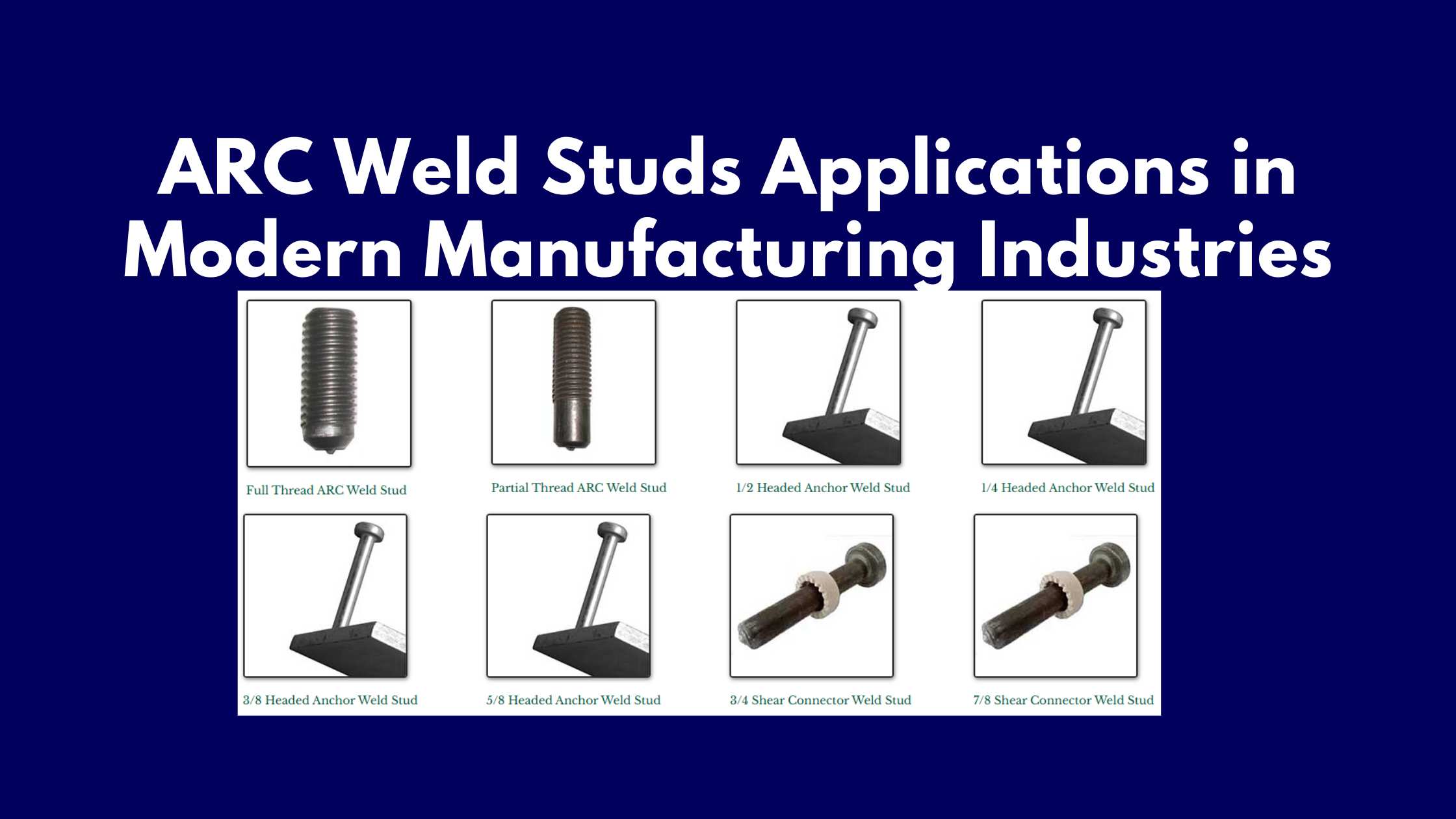
ARC weld studs have become one of the most efficient fastening methods in contemporary manufacturing industries. Unlike traditional bolting, riveting, or welding processes, ARC stud welding creates permanent, high-strength connections without requiring pre-drilled holes or extensive surface preparation. This technique attaches metal studs directly to base materials using controlled electrical ARC heat, producing welds that are often stronger than the surrounding metal itself.
In manufacturing industries, choosing the right fastening method can make the difference between operational efficiency and costly downtime. ARC stud welding delivers measurable advantages in speed, reliability, and cost-effectiveness across diverse industrial applications—from automotive production to structural steel fabrication.
This in-depth guide explains how ARC stud welding works, where they are used, why they matter, and how manufacturers can apply them correctly—based on recognized welding standards, industry data, and real-world best practices.
Understanding the Fundamentals of ARC Stud Welding
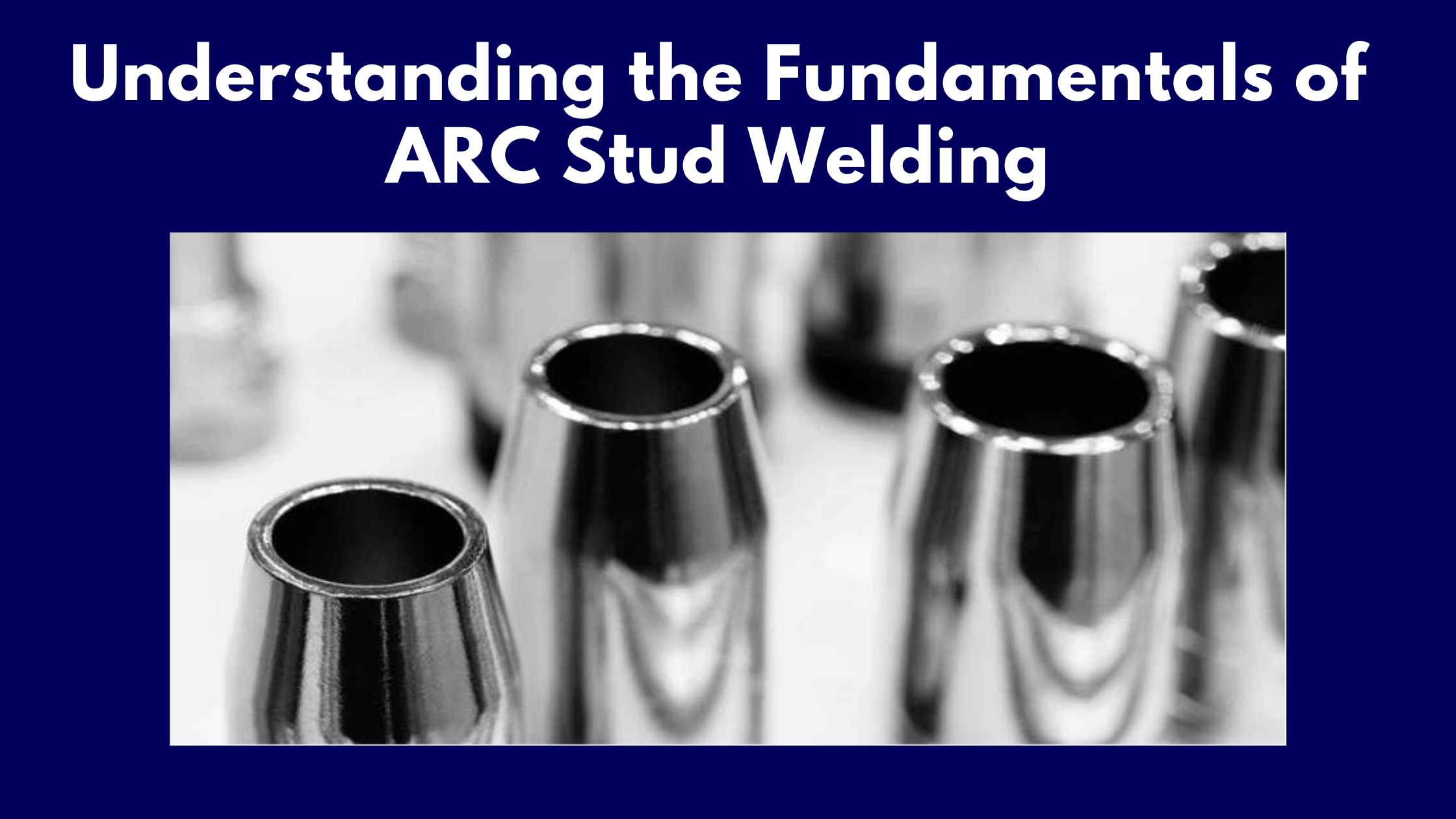
ARC stud welding is a specialized fastening process in which a metal stud is joined to a metal workpiece by heating both parts with concentrated electrical ARC heat. The process creates a metallurgical bond without marring or distorting the opposite side of the base material, making it unique among fastening methods.
According to industry standards maintained by the American Welding Society (AWS), stud welding is categorized under the “ARC Welding” umbrella but remains unique due to its automated nature and speed.
Unlike resistance welding or hand welding, ARC stud welding eliminates the need for predrilling, punching, or riveting, offering faster assembly with fewer manufacturing steps. The process relies on a DC power supply, a stud welding gun, ceramic ferrules (in certain techniques), and precisely engineered metal fasteners.
The fundamental principle is straightforward: when an ARC forms between the stud and workpiece, intense heat melts both surfaces. The stud is then driven into the molten pool, creating a full cross-sectional weld bond that provides structural integrity superior to traditional fastening methods.
Key Components of an ARC Stud Welding System
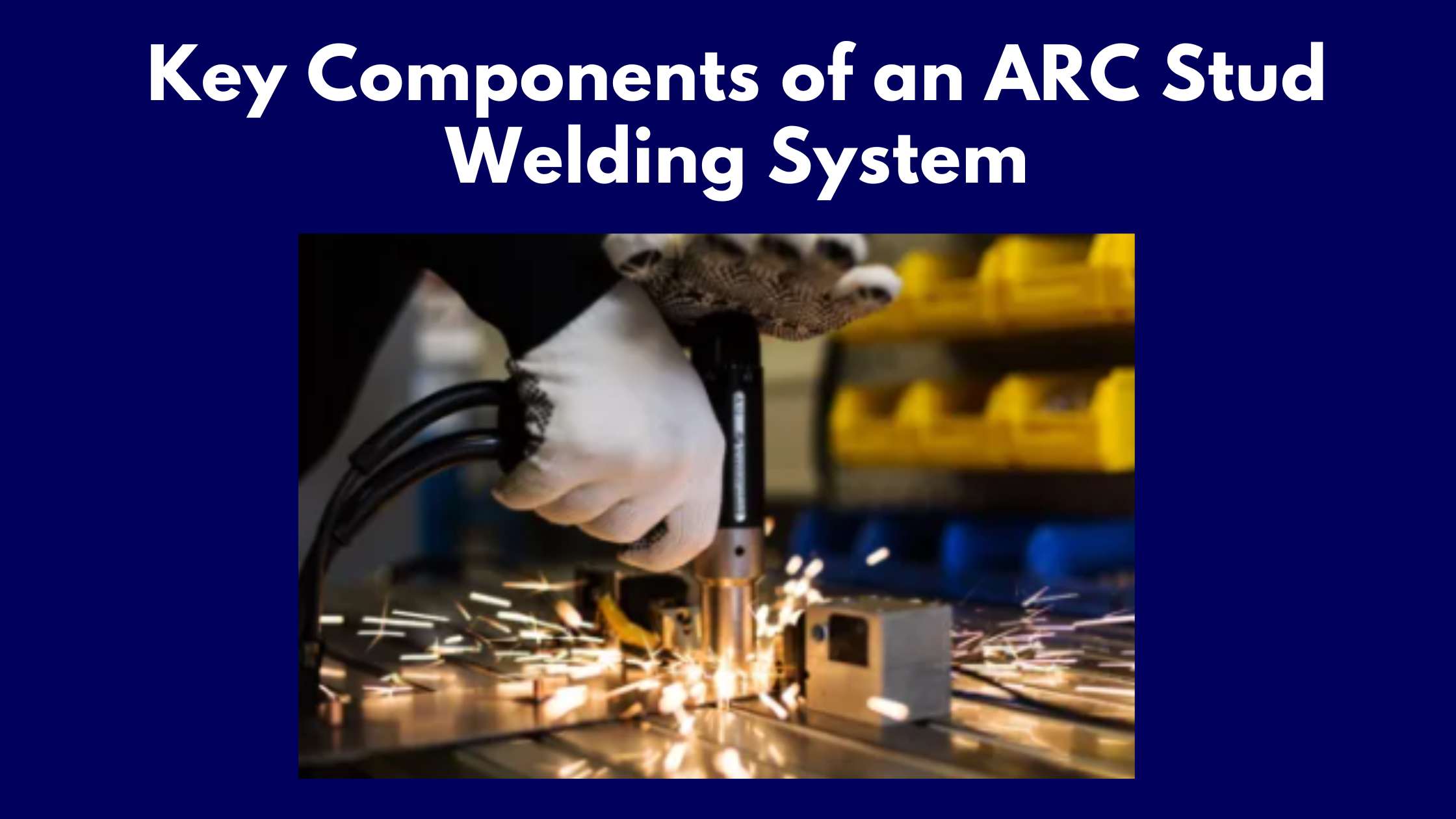
An ARC stud welding setup comprises several essential components:
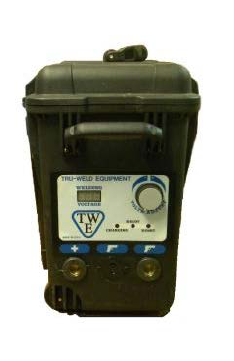
Power Supply
DC power sources (welding rectifiers or generators) provide the electrical energy needed to generate and sustain the ARC. Drawn ARC welding typically begins at 400 amps but can reach up to 2,000 amps, providing excellent penetration into the base material, with penetrations of 1/8 to 1/4 inch not being uncommon.
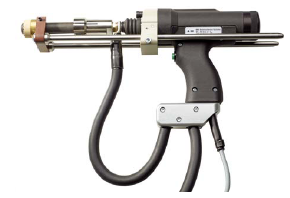
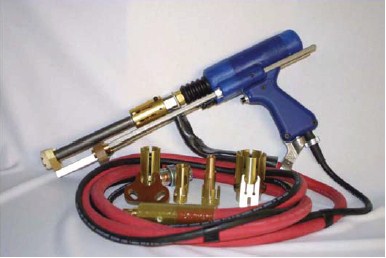
Stud Welding Gun
This handheld or automated tool holds the stud in a precise position and manages the lift and plunge actions during the welding cycle, ensuring consistency and control.
Controller
Regulates timing, energy levels, and weld parameters to achieve repeatable results across production runs.
Cables and Grounding
Complete the electrical circuit connecting the power supply, controller, gun, and ground clamp to the workpiece.
Ferrule and Flux
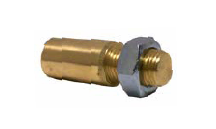
In drawn ARC applications, ceramic ferrules concentrate heat, prevent oxidation, and retain molten metal. Some processes employ flux-loaded studs to improve weld quality.
Market Growth and Industry Adoption of ARC Stud Welding
The ARC stud welding market reflects strong confidence in this fastening technology across global manufacturing sectors. The global weld studs market size was USD 6.24 billion in 2024 and is expected to reach USD 9.27 billion by 2033, at a CAGR of 4.5%.
This expansion is driven by multiple factors. Weld studs provide a secure and permanent fastening solution that can withstand high loads, vibrations, and harsh environments, making them ideal for demanding applications. Moreover, they require minimal surface preparation and can be installed quickly and easily, saving time and labor costs, while producing a clean and finished appearance without the need for additional finishing processes.
The automotive industry particularly drives this growth. In the automotive industry, which represents nearly 25% of the ARC welding market, manufacturers rely on this technology to assemble critical components such as frames and exhaust systems.
How the ARC Stud Welding Process Works in Manufacturing
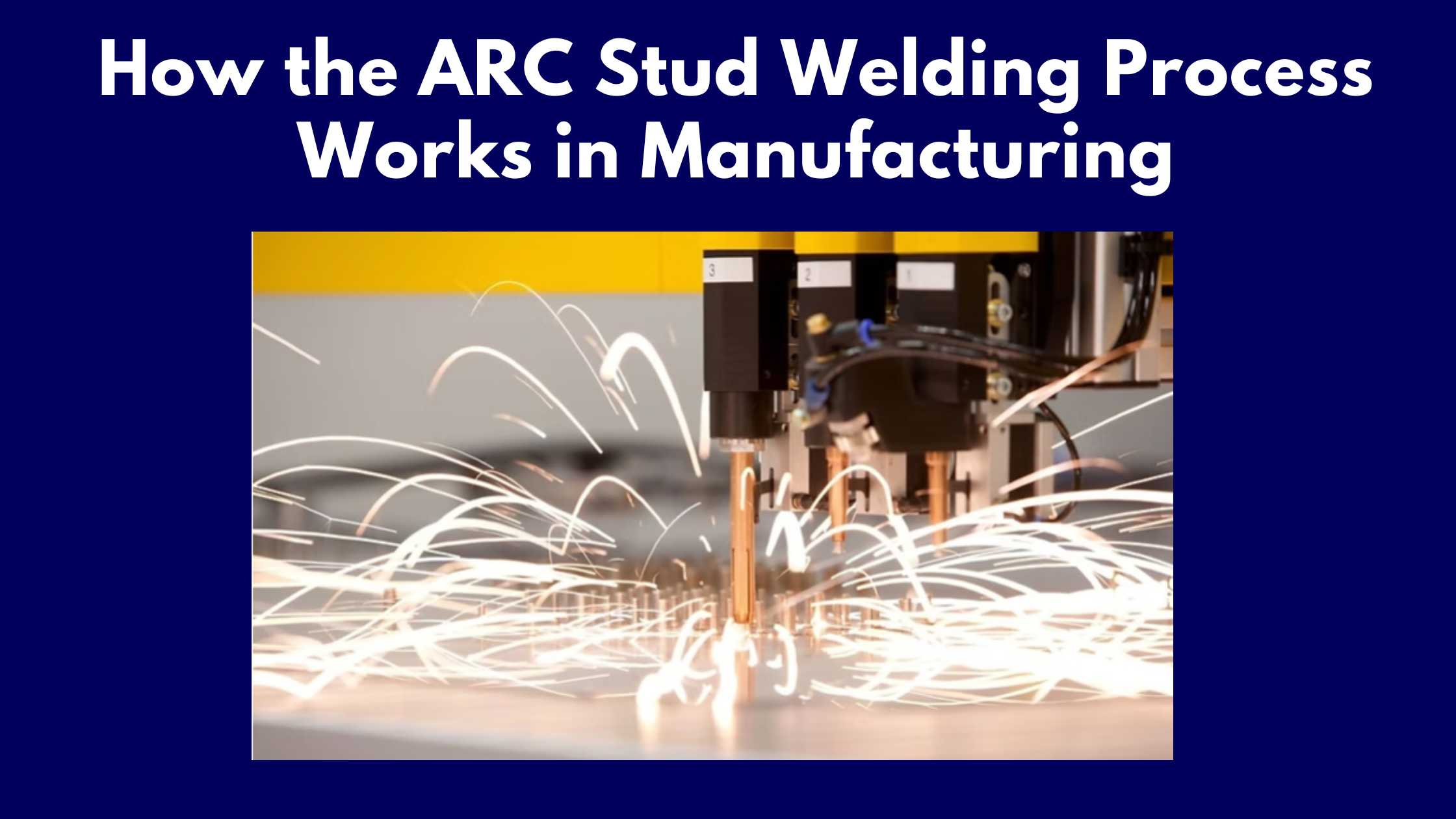
To achieve a “full-base” diameter weld, the ARC stud welding machine follows a precise four-stage sequence. Understanding these steps is critical for quality control.
Understanding the mechanics of ARC stud welding helps manufacturers optimize the process for their applications.
Phase 1: Setup and Positioning
The operator positions the ceramic ferrule (in drawn ARC applications) around the stud, placing the assembly against the base material. For automated systems, positioning is controlled by CNC programming or robotic arms. Surface cleanliness is verified, though drawn ARC is more tolerant of light rust and scale than capacitor discharge methods.
Phase 2: ARC Initiation
When the operator presses the trigger (or the automated system receives a command), the DC power supply energizes. The stud welding gun’s lift mechanism raises the stud slightly—typically 1/16 to 1/8 inch—striking an ARC between the stud and workpiece. This ARC generates intense heat, rapidly melting both surfaces.
Phase 3: ARC Duration and Heat Control
The ARC burns for a precisely controlled duration, typically ranging from 0.06 seconds to several seconds, depending on stud size and base material thickness. This timing is critical: too short, and incomplete fusion results; too long, and excessive heat distorts the base material or weakens the weld structure. ARC stud welding produces welds in as little as 0.06 seconds, enabling rapid production cycles.
Phase 4: Plunge and Fusion
As ARC time expires, spring mechanisms drive the stud downward into the molten pool at a controlled velocity. This plunge action forces the stud into the molten metal, achieving full cross-sectional fusion. The hydraulic or mechanical system ensures consistent plunge depth and force.
Phase 5: Cooling and Ferrule Removal
Once the stud is seated, the ARC extinguishes, and the weld pool begins cooling. For drawn ARC applications, the operator or automated system removes the ceramic ferrule by cracking it away from the solidified weld. This step is quick and requires minimal effort. The finished weld is then ready for the next assembly operation with no further finishing required.
Metric Weld Studs Specifications and Standards
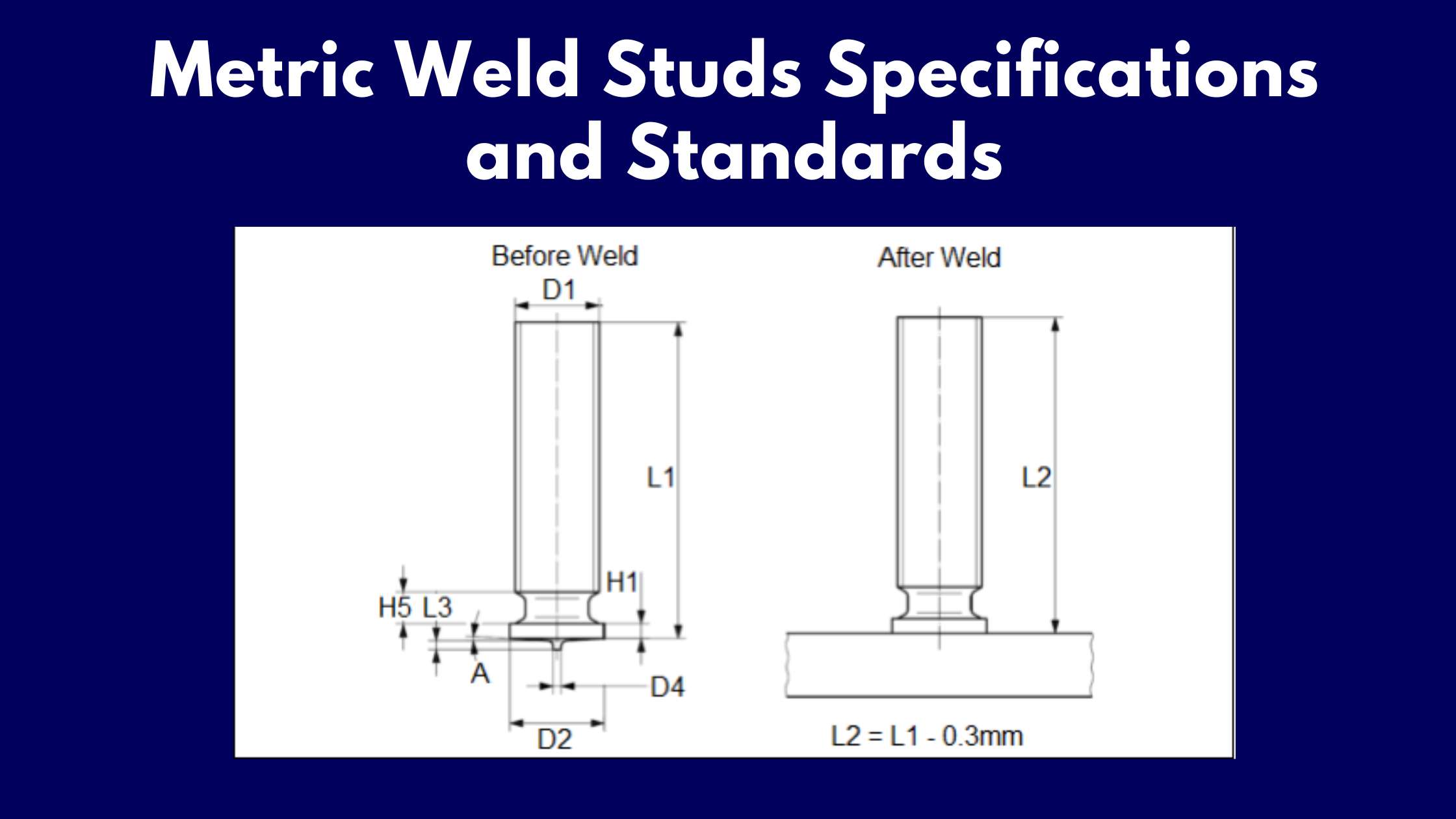
Metric weld studs follow international standardization, making them essential for global supply chains and multinational manufacturing operations. Drawn ARC studs range from #8 to 1-1/4 inch diameter, with lengths variable from 3/8 inch to 60 inches, and are commonly made from mild steel and stainless steel.
Metric weld studs are typically available in:
- Diameter Ranges: M4 through M24 (or equivalent inch sizes)
- Material Grades: Low-carbon steel, stainless steel (300 and 400 series), aluminum, and copper alloys
- Surface Finishes: Plain, zinc-plated, or stainless options
- Thread Types: Fully threaded, partially threaded, or unthreaded studs
Selecting the correct metric weld stud size requires understanding base material thickness, load requirements, and accessibility constraints. ARC stud welding permits strong, one-sided welds on base metals with thicknesses starting at 0.048 inches (1.2 mm), offering flexibility for both thick structural applications and thin-gauge sheet metal assembly.
Key Industries Utilizing ARC Weld Studs
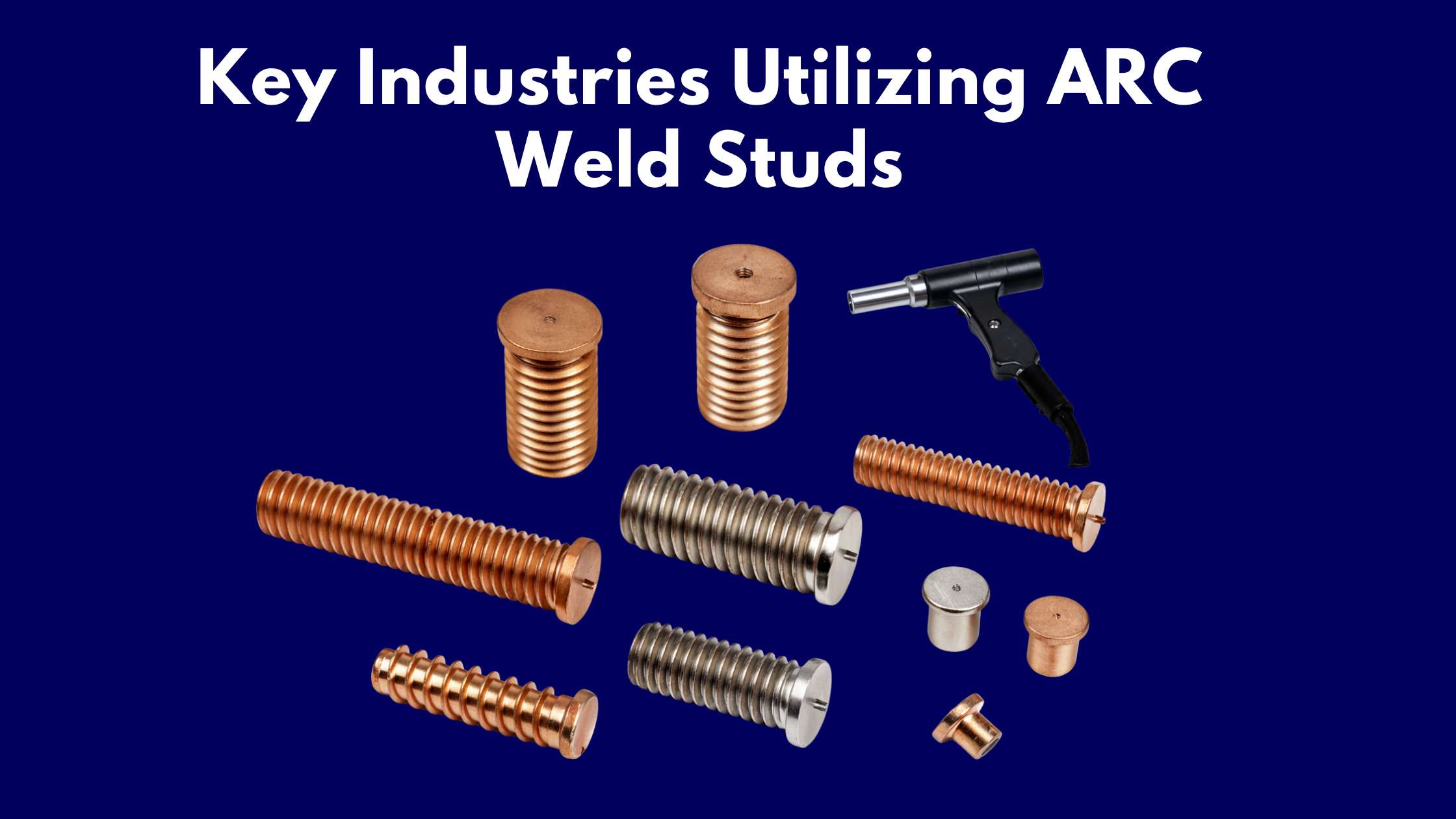
Modern manufacturing relies on stud ARC welding for its ability to provide leak-proof, vibration-resistant attachments.
1. Infrastructure and Bridge Building
In the construction of composite bridges, shear connectors are welded to steel beams before concrete is poured. This ensures the steel and concrete act as a single structural unit.
2. Automotive and Transportation
The shift toward electric vehicles (EVs) has increased the demand for aluminum ARC weld studs. Manufacturers use them for heat shields, wire harnesses, and fluid lines where maintaining the integrity of thin-gauge sheet metal is vital.
3. Shipbuilding and Maritime
Shipyards utilize ARC stud welding accessories to attach insulation, piping, and cable trays to hulls without piercing the metal, preventing potential leak points and corrosion.
4. Construction and Structural Steel Fabrication
Stud welding is widely used in the construction industry and bridge construction (composite steel/concrete structures), with many different stud-welded products commonly used in the manufacture of precast/pre-stressed components, including threaded, headed, and deformed bars.
5. Machinery and Equipment Manufacturing
The industrial sector uses manual and automated stud welding to manufacture sheet metal and machinery parts, with fabricating machinery and equipment often requiring numerous fasteners and pins applied to thin sheet metal or thick metal plates. Attaching guards, hatches, handles, fluid lines, and cover plates to industrial equipment is streamlined through automated ARC stud welding systems.
6. Electrical and Electronics Manufacturing
Many electronic systems, communication systems, electric motors, and other electrical equipment need stud welding for fascia panels, earthing studs, printed circuit boards (PCBs), switches, buttons, and other small electrical elements.
Select the Right Metric Weld Studs for Your Project
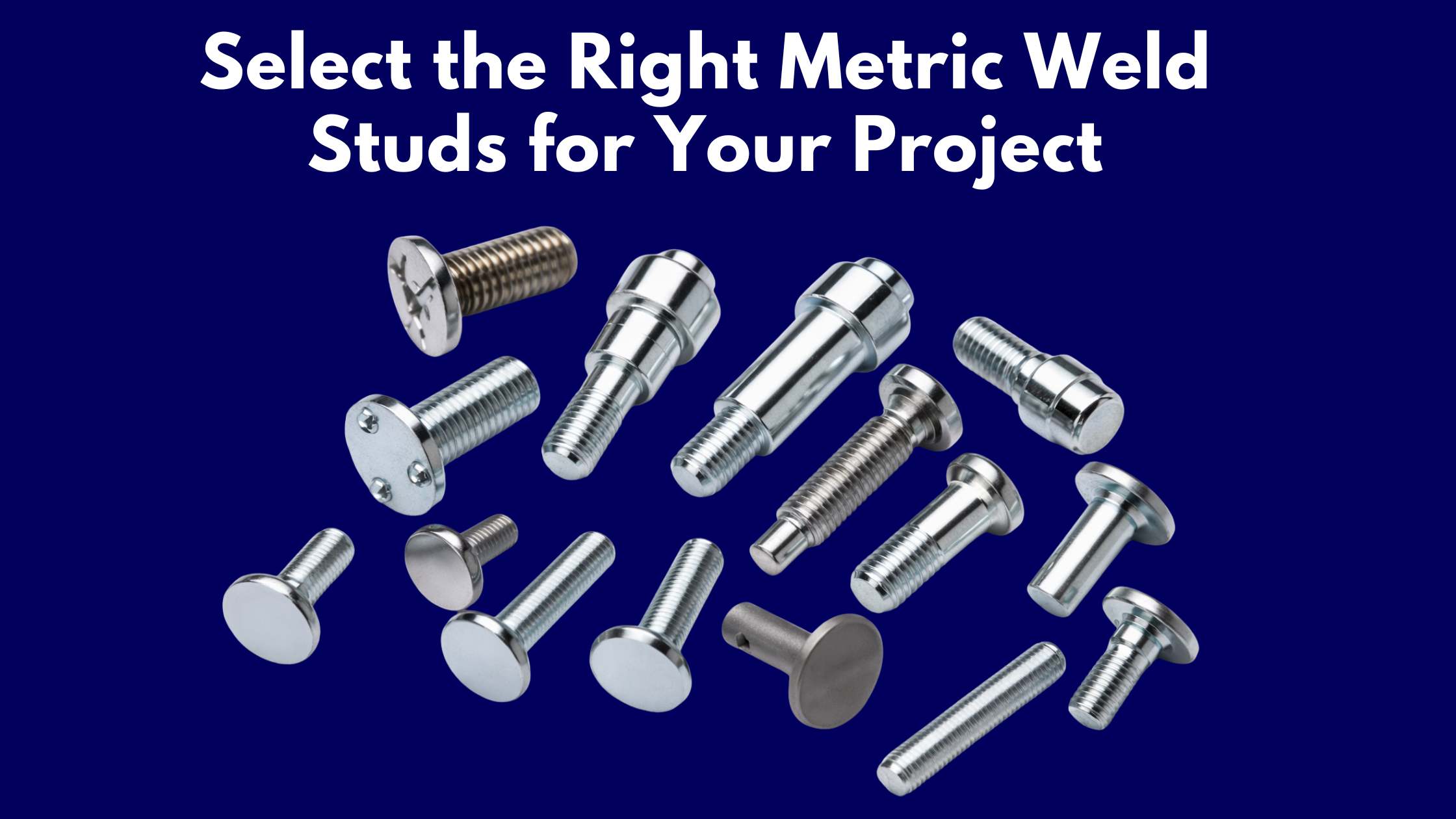
When specifying fasteners, the choice of metric weld studs is often dictated by international shipping standards and global machinery compatibility.
Choosing the correct ARC weld stud involves matching the metallurgical properties of the fastener to the base material to ensure a homogenous bond. For specific technical dimensions, referring to ISO 13918 for welding studs is a best practice among global manufacturers.
Conclusion
The evolution of ARC stud welding has transformed it from a niche construction technique into a versatile powerhouse of modern manufacturing. By mastering the use of ARC weld studs, choosing the right ARC stud welding accessories, and adhering to strict process controls, manufacturers can ensure unparalleled joint strength and longevity.
If you are looking to optimize your production line or need technical specifications for metric weld studs, the right equipment and expertise make all the difference. To explore technical specifications or learn more about ARC weld stud applications, visit Complete Stud Welding or get expert guidance at 216-904-4008.
Comments are closed.