Blog Archives

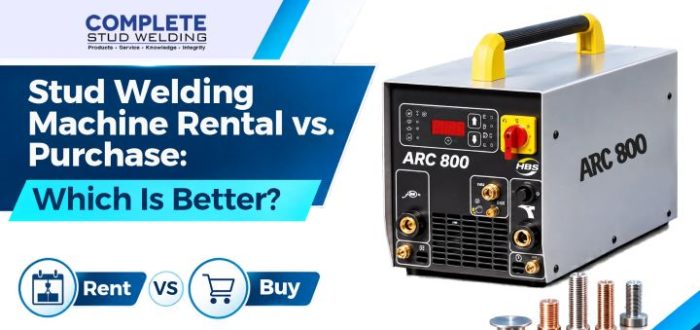
Stud Welding Machine Rental vs. Purchase: Which Is Better?

Stud Welding Machine Rental vs. Purchase: Which Is Better?

Stud welding machine rental gives you power on the job without a big upfront bill. Buying gives you full control for years. The right choice depends on how often you weld studs. Quick answer. Rent if you weld studs a few weeks each year. Buy if you weld studs most weeks. That simple rule works

Continue Reading →
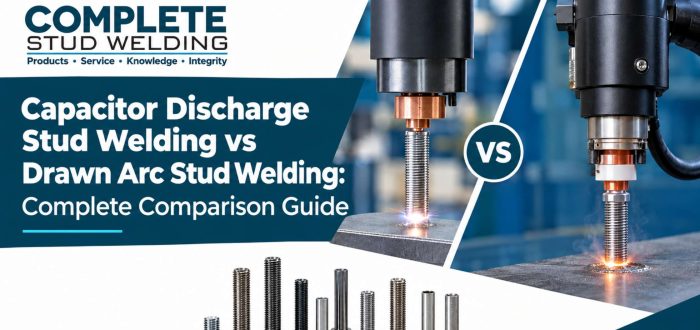
Capacitor Discharge Stud Welding vs. Drawn Arc Stud Welding: Complete Comparison Guide

Capacitor Discharge Stud Welding vs. Drawn Arc Stud Welding: Complete Comparison Guide

Capacitor discharge stud welding and drawn arc stud welding use different arc and heat-generation principles to permanently attach threaded studs, pins, and other fasteners to metal surfaces. Knowing how arc duration, heat input, weld penetration, and material needs vary helps choose the right stud welding method for each application. How Capacitor Discharge Stud Welding Works

Continue Reading →
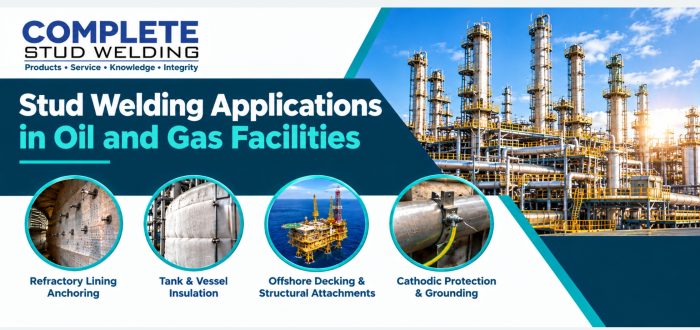
Stud Welding Applications in Oil and Gas Facilities

Stud Welding Applications in Oil and Gas Facilities

Oil and gas facilities require reliable fastening methods for insulation, refractory systems, equipment, piping support, and fabricated components. Stud welding applications provide an effective way to permanently attach fasteners to metal surfaces, eliminating the need for drilling and tapping. Depending on the material, stud size, and application, arc and capacitor discharge processes can support both

Continue Reading →
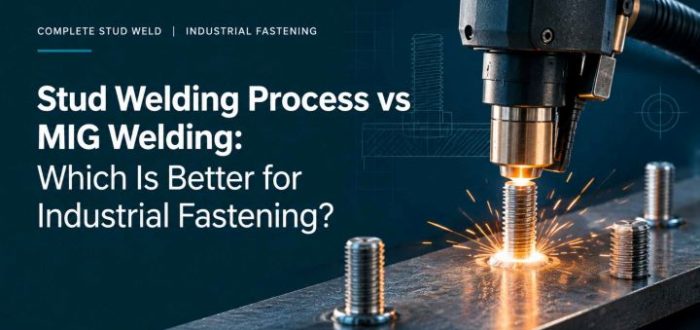
Stud Welding Process vs MIG Welding: Which Is Better for Industrial Fastening?

Stud Welding Process vs MIG Welding: Which Is Better for Industrial Fastening?

Selecting the right type of welding determines your production speed, weld integrity, and overall shop efficiency. Fabricators often choose between the targeted stud welding process and traditional Metal Inert Gas (MIG) joining. While both create strong metal bonds, their execution differs significantly.  The technical breakdown below compares cycle speeds, structural performance, and equipment demands for

Continue Reading →
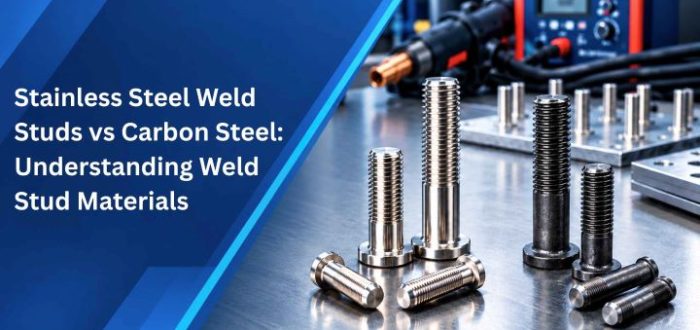
Stainless Steel Weld Studs vs Carbon Steel: Understanding Weld Stud Materials

Stainless Steel Weld Studs vs Carbon Steel: Understanding Weld Stud Materials

Choosing between stainless steel weld studs and carbon steel weld studs is more than a material-cost decision. The right choice depends on corrosion exposure, base-metal compatibility, required properties, welding process, and service conditions. This guide explains the technical differences so engineers, fabricators, and purchasing teams can select the appropriate material with greater confidence. What Are

Continue Reading →
Ceramic Ferrules for Arc Stud Welding Explained

Ceramic Ferrules for Arc Stud Welding Explained

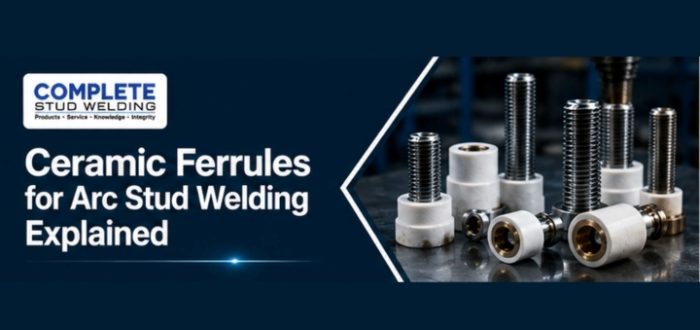
A ceramic ferrule is a small but essential component in the ARC stud welding process. It controls the weld pool, protects the molten metal, and helps create strong, consistent stud welds. From oil and gas facilities to industrial structures, quality ceramic ferrules for stud welding support reliable connections in demanding applications. Complete Stud Welding supplies

Continue Reading →
Aluminum Stud Welding VS Stainless Steel Welding: Key Differences

Aluminum Stud Welding VS Stainless Steel Welding: Key Differences

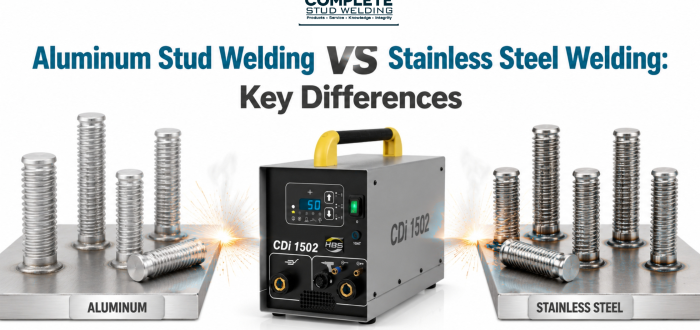
Choosing the right material is critical for achieving strong, reliable welded connections. Aluminum and stainless steel are widely used materials in industrial welding, but their properties create very different welding requirements. Aluminum stud welding offers lightweight, corrosion-resistant connections, while stainless steel welding provides excellent strength, durability, and resistance in harsh environments. Understanding the differences between

Continue Reading →
The Role of Shear Stud Connectors in Composite Steel Construction

The Role of Shear Stud Connectors in Composite Steel Construction

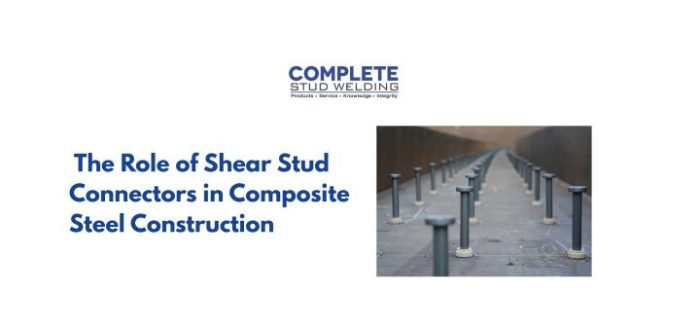
Modern buildings, bridges, and industrial structures rely on strong connections between steel and concrete. Shear stud connectors play a vital role in composite steel construction by joining steel beams and concrete slabs into a unified structural system. These welded fasteners transfer shear forces, improve load performance, and increase structural efficiency. This blog breaks down what

Continue Reading →
What Causes Stud Welding Failure? Top 5 Mistakes and Prevention Tips

What Causes Stud Welding Failure? Top 5 Mistakes and Prevention Tips

In industrial manufacturing and construction, even a small welding failure can lead to costly rework, production delays, and compromised structural integrity. Many weld problems arise from avoidable setup errors, equipment issues, or poor operating practices. So, whether you’re working with a stud welding system in a fabrication shop or performing large-scale structural fastening, understanding the

Continue Reading →
Stud Welding Strength, Load Capacity, and Performance Explained

Stud Welding Strength, Load Capacity, and Performance Explained

Most people assume a weld is either good or it is not. But when it comes to structural and industrial applications, that thinking is not enough. Stud welding strength is a measurable, engineerable property that directly determines how your fasteners will perform under real load conditions. Material selection, installation procedures, equipment settings, and testing methods

Continue Reading →