
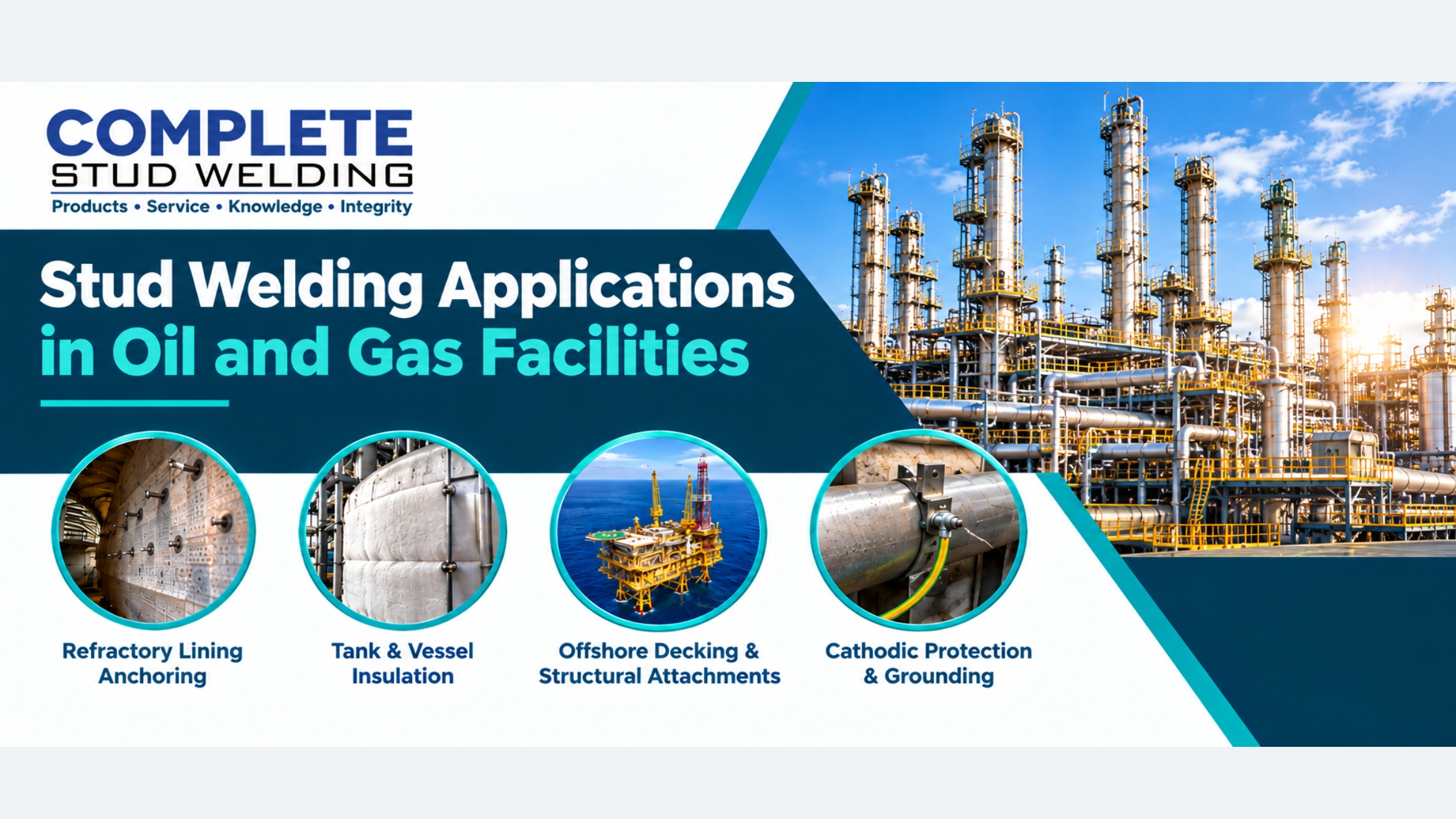
Oil and gas facilities require reliable fastening methods for insulation, refractory systems, equipment, piping support, and fabricated components. Stud welding applications provide an effective way to permanently attach fasteners to metal surfaces, eliminating the need for drilling and tapping. Depending on the material, stud size, and application, arc and capacitor discharge processes can support both field and production work.
What is Stud Welding?
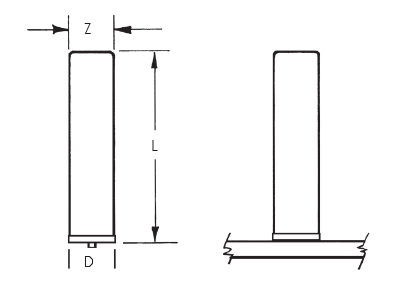
Stud welding is a specialized fast-joining process where a metal fastener or stud is welded directly to a parent metal substrate. An electric arc melts the end of the stud and the base metal surface before pushing them together to create a full-penetration, cross-sectional bond.
Unlike traditional joining methods, stud welding requires no drilling, tapping, through-bolting, or back-side access. The resulting weld is stronger than the stud itself, preserving the structural integrity of the base metal without creating leak paths.
Key Types of Stud Welding Used in Energy Facilities
Selecting the correct process depends on base plate thickness, fastener diameter, and environmental conditions.
Drawn Arc Stud Welding
Drawn arc stud welding is the standard choice for heavy industrial projects. It creates strong, structural-grade welds on thick base metals using a flux tip and a ceramic ferrule to contain the molten pool.
- Best for: Large diameter studs (1/4 in. to 1 in.+), structural steel, high-vibration equipment, and load-bearing attachments.
- Common Uses: Refractory anchors, pipe hangers, shear connectors, and heavy vessel insulation.
Short Arc Stud Welding
Short arc welding is a variation of drawn arc that utilizes a shorter weld time and higher current, often without a ceramic ferrule.
- Best for: Medium-gauge sheet metals where full penetration strength is needed without burning through.
- Common Uses: Enclosures, sheet metal ducting, and non-critical bracket mounting.
Capacitor Discharge (CD) Stud Welding
CD stud welding relies on a capacitor bank to discharge stored energy in milliseconds.
- Best for: Thin-gauge metals where heat distortion or reverse-side marking must be completely avoided.
- Common Uses: Gauge paneling, thin cover plates, electrical grounding tags, and lightweight insulation pins.
High-Value Stud Welding Applications in Oil & Gas
1. Refractory Lining Anchoring
Refineries and petrochemical plants operate fluid catalytic cracking units (FCCUs), furnaces, and fired heaters at extreme temperatures. Hexsteel grids and V-anchors are welded directly to vessel walls using drawn arc stud welding equipment to secure refractory linings. This prevents thermal degradation of steel shell walls.
2. Tank and Vessel Insulation
Storage tanks, heat exchangers, and processing vessels require thick thermal insulation to maintain process temperatures. Stainless steel and aluminum insulation pins are welded across vessel exteriors. Speed clips then lock high-temperature insulation blankets in place quickly.
3. Offshore Decking and Structural Attachments
Offshore platforms endure continuous wave action and corrosive saltwater. Production stud welding allows crews to secure steel grating, safety handrails, and cable trays directly to structural beams without drilling holes that invite internal corrosion.
4. Cathodic Protection and Grounding
Corrosion protection on subsea pipelines and storage tanks relies on sacrificial anodes connected by studs. Weld-on grounding studs also provide reliable electrical grounding paths across hazardous refinery zones.
Selecting the Right Stud Welding Systems and Equipment
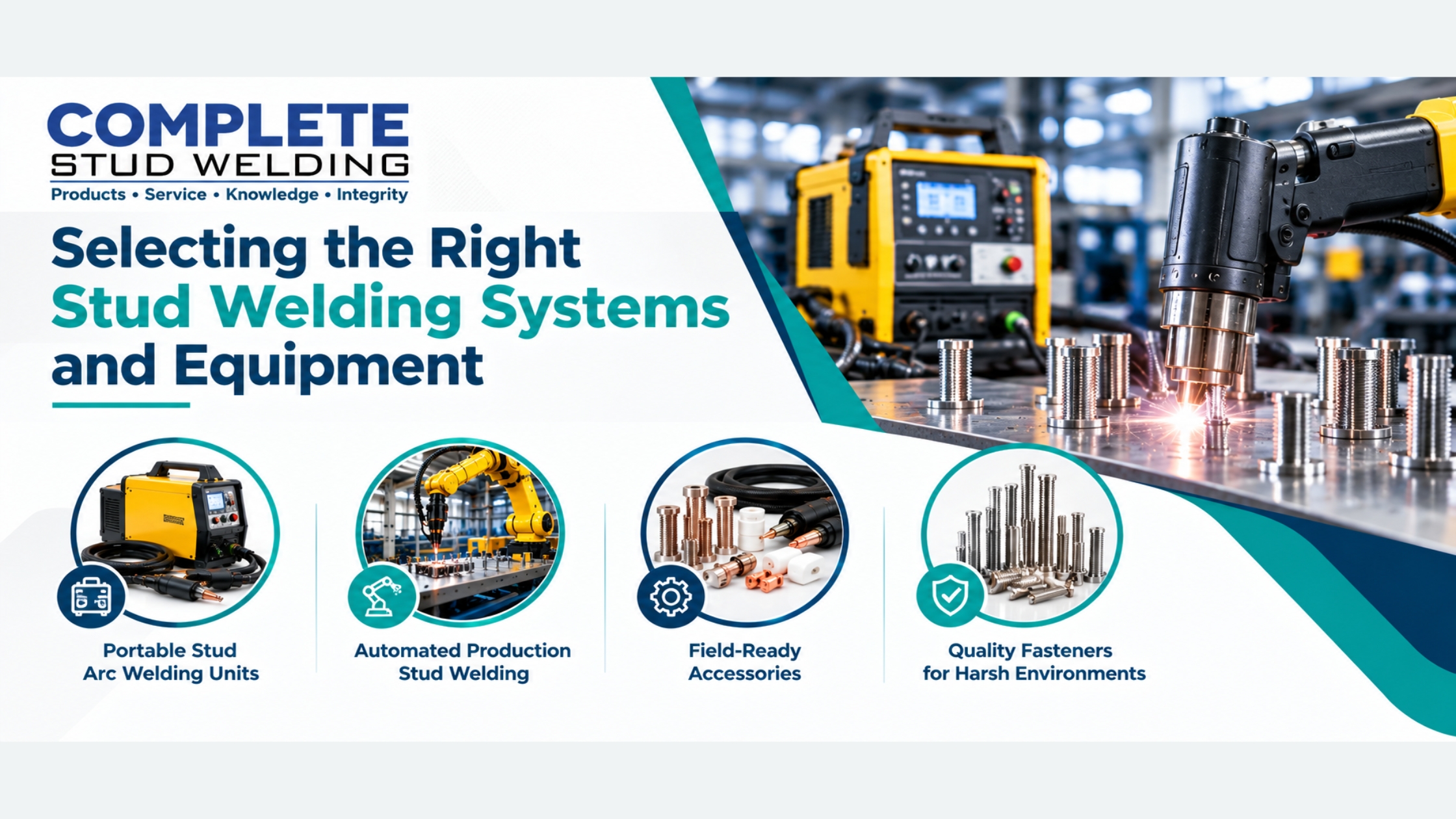
Maintaining strict safety and quality assurance standards in volatile refinery environments requires selecting the appropriate stud welding machines and portable power supplies.
- Portable Stud Arc Welding Units: Mobile, engine-driven, or high-output inverter systems allow field crews to operate efficiently on multi-story refinery scaffolding and offshore decks.
- Automated Production Stud Welding: Fabrication shops building pre-fabricated pipe spools, skid packages, or pressure vessel heads utilize automated CNC or robotic stud welding systems to maximize throughput and ensure consistent weld quality.
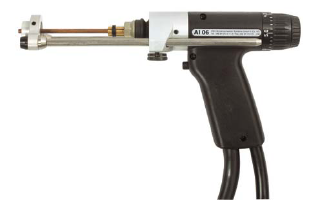
- Field-Ready Accessories: High-duty cables, rugged weld guns, specialized ceramic ferrules, and corrosion-resistant fasteners (such as 310/316 stainless steel or Inconel) are critical for harsh chemical exposure.
Match the Right Stud Welding Equipment to Your Application
Every oil and gas application has different materials, fastening, and production requirements. Complete Stud Welding provides stud welding equipment, stud welding machines, weld studs, and specialized fastening products for industrial, petrochemical, offshore, and insulation applications.
Call the Complete Stud Welding team at 216-904-4008 to discuss your application and identify the appropriate stud welding equipment and fastening system.
Comments are closed.