Tag Archives: Capacitor Discharge Stud Welding

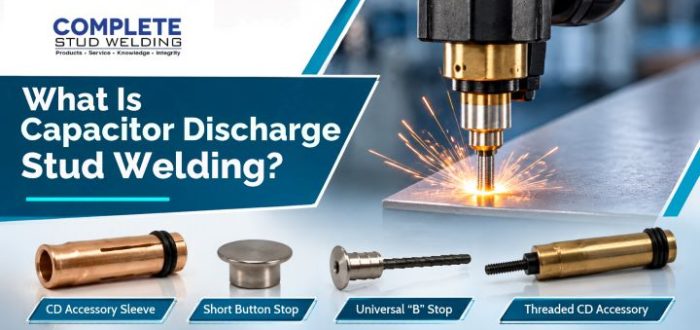
What Is Capacitor Discharge Stud Welding?

What Is Capacitor Discharge Stud Welding?

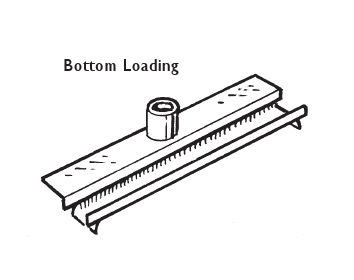
Capacitor discharge stud welding is a method for attaching small studs to metal sheets. A capacitor discharge stud welder stores electrical energy and releases it in one short burst. The burst melts the tip of the stud and a small spot on the base metal. The stud is then pressed into the molten spot, and

Continue Reading →
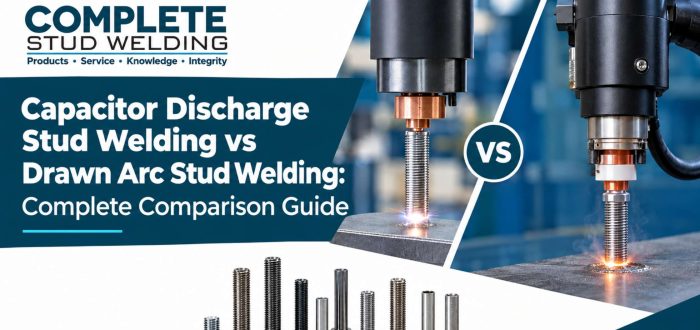
Capacitor Discharge Stud Welding vs. Drawn Arc Stud Welding: Complete Comparison Guide

Capacitor Discharge Stud Welding vs. Drawn Arc Stud Welding: Complete Comparison Guide

Capacitor discharge stud welding and drawn arc stud welding use different arc and heat-generation principles to permanently attach threaded studs, pins, and other fasteners to metal surfaces. Knowing how arc duration, heat input, weld penetration, and material needs vary helps choose the right stud welding method for each application. How Capacitor Discharge Stud Welding Works

Continue Reading →
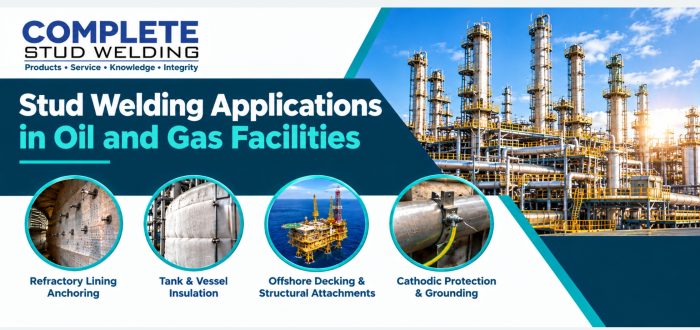
Stud Welding Applications in Oil and Gas Facilities

Stud Welding Applications in Oil and Gas Facilities

Oil and gas facilities require reliable fastening methods for insulation, refractory systems, equipment, piping support, and fabricated components. Stud welding applications provide an effective way to permanently attach fasteners to metal surfaces, eliminating the need for drilling and tapping. Depending on the material, stud size, and application, arc and capacitor discharge processes can support both

Continue Reading →
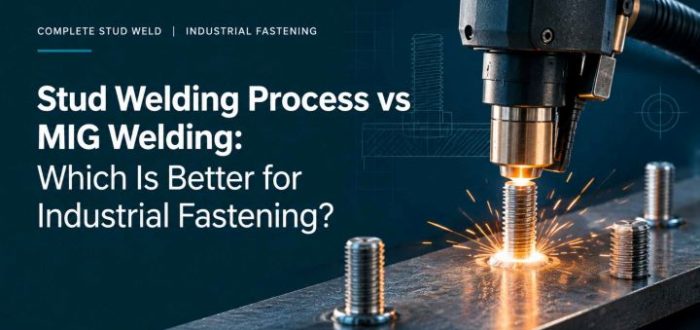
Stud Welding Process vs MIG Welding: Which Is Better for Industrial Fastening?

Stud Welding Process vs MIG Welding: Which Is Better for Industrial Fastening?

Selecting the right type of welding determines your production speed, weld integrity, and overall shop efficiency. Fabricators often choose between the targeted stud welding process and traditional Metal Inert Gas (MIG) joining. While both create strong metal bonds, their execution differs significantly.  The technical breakdown below compares cycle speeds, structural performance, and equipment demands for

Continue Reading →