
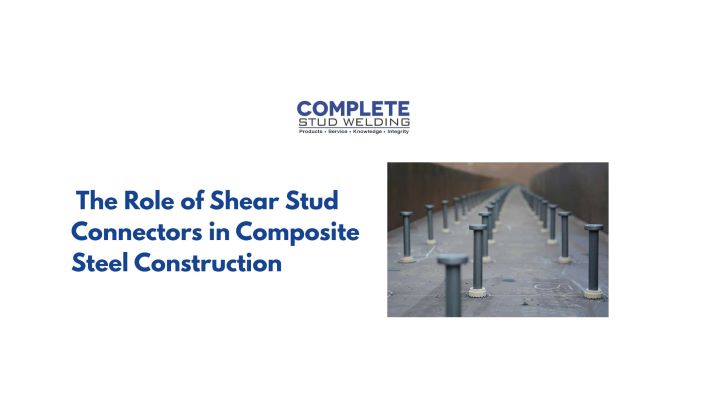
Modern buildings, bridges, and industrial structures rely on strong connections between steel and concrete. Shear stud connectors play a vital role in composite steel construction by joining steel beams and concrete slabs into a unified structural system. These welded fasteners transfer shear forces, improve load performance, and increase structural efficiency.
This blog breaks down what shear stud connectors do, how they are installed, and why choosing the right supplier for weld stud shear connector matters just as much as the design itself.
What Are Shear Stud Connectors?
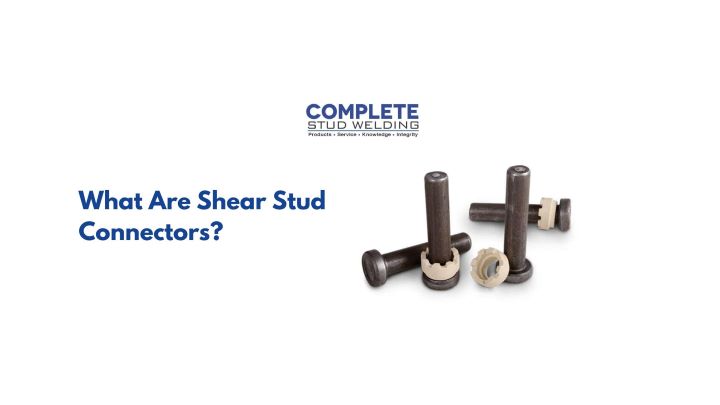
Shear stud connectors are short metal studs welded onto the top flange of a steel beam before the concrete deck is poured. Once the concrete cures around them, the studs lock the slab and beam together. This creates what engineers call composite action.
Without shear connectors, a steel beam and a concrete slab would behave independently under load. The slab would bend one way, the beam another, and neither would reach its full strength potential. Add shear connector studs into the mix, and the two materials share the load as a single composite section. That means smaller beams, less steel tonnage, and real savings on a project budget.
Why Are Shear Stud Connectors Important?
According to the American Institute of Steel Construction (AISC), shear connectors are essential in composite design because they transfer forces across the steel-concrete interface and allow the combined section to achieve greater strength than the individual materials working separately.
Common applications include:
- Composite floor systems
- Steel bridges
- Commercial buildings
- Industrial facilities
- Infrastructure projects
- Composite beam construction
How Much Load Can Shear Stud Connectors Handle?
The load capacity of headed stud shear connectors depends on several engineering factors, including:
- Stud diameter
- Concrete compressive strength
- Embedment depth
- Weld quality
- Structural loading conditions
For example, a typical 3/4-inch diameter headed stud connector used in composite construction can develop several thousand pounds of shear resistance when properly designed and installed.
The American Institute of Steel Construction (AISC) provides design equations for determining shear strength based on stud size and concrete properties through the AISC 360 specification for structural steel buildings.
How Do Shear Stud Connectors Improve Composite Steel Construction?
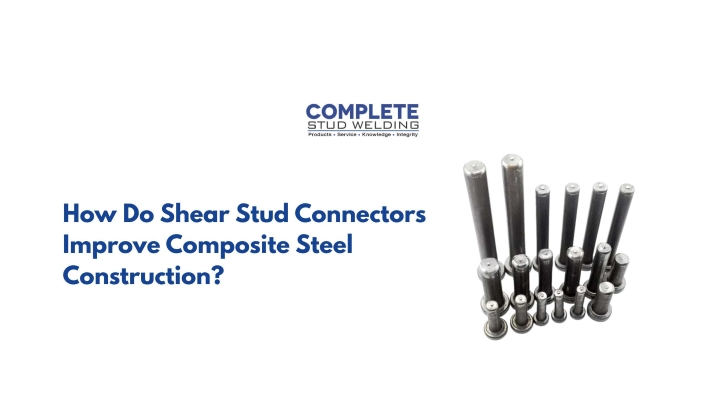
The primary purpose of shear stud connectors is to create composite action between steel beams and concrete slabs. Without connectors, the steel beam and concrete slab can move independently under loading. This reduces structural efficiency and increases stress on individual components.
With properly installed structural steel shear studs, the connection transfers forces between both materials. As a result, the structure gains:
1. Increased Structural Strength
A steel beam alone carries loads differently than a composite steel and concrete system. When connected with shear connector studs, both materials share the load more effectively. This allows engineers to design stronger and more efficient structures while reducing unnecessary material usage.
2. Improved Load Transfer
The main job of a shear bolt connector or welded shear connector is transferring shear forces between the steel beam and concrete deck. The welded connection creates a secure mechanical attachment that helps prevent slipping between surfaces.
Research on headed stud connectors has shown that these components are commonly used to transfer longitudinal shear forces across steel-concrete interfaces in composite beams.
3. Better Structural Performance
Composite systems provide improved stiffness compared with non-composite designs. Properly installed weld stud shear connector systems help structures handle heavy loads while maintaining long-term performance.
Types of Shear Connectors Used in Steel Structures
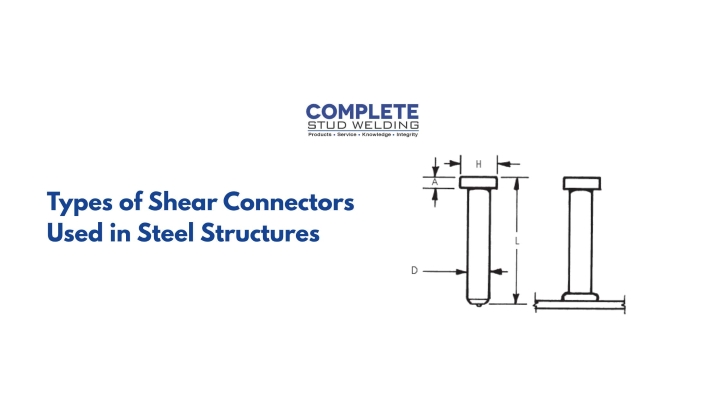
Different projects require different connector designs. However, some of the most common options include:
Headed Stud Shear Connectors
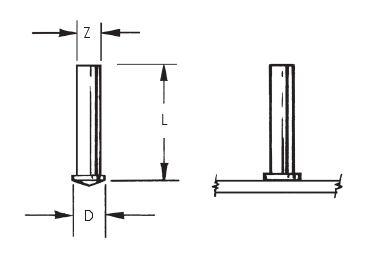
Headed stud shear connectors are the most common type used in composite construction. They feature a welded stud with an enlarged head that anchors into concrete.
Their design allows efficient load transfer while maintaining a dependable connection.
Weld Stud Shear Connector Systems
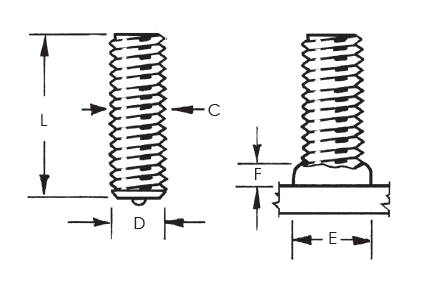
A weld stud shear connector is installed using stud welding equipment. The process creates a strong weld between the stud and the steel surface in a short installation cycle.
This method is widely used because it provides:
- Fast installation
- Consistent weld quality
- Strong structural connections
- Reduced fabrication time
Shear Connector Studs for Heavy Applications
Industrial and infrastructure projects often require durable shear connector studs designed for demanding loads. These connectors are commonly used in bridges, large buildings, and heavy steel structures.
Complete Stud Welding provides professional stud welding products and equipment to support these applications.
The Importance of Proper Stud Welding Installation
The performance of structural steel shear studs depends heavily on correct installation. A properly welded connector creates a dependable connection between the steel member and concrete.
Poor installation can affect:
- Load capacity
- Weld quality
- Structural reliability
- Long-term performance
Professional stud welding requires the correct equipment, settings, and accessories. Factors such as steel thickness, stud diameter, welding current, and surface preparation all influence the final connection quality.
Complete Stud Welding provides industry-focused solutions, including stud welding equipment, accessories, and welding products designed for structural applications.
Shear Stud Connectors in Composite Beam Construction
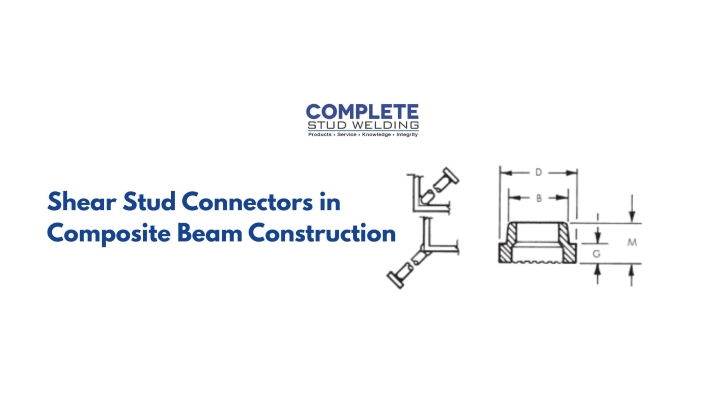
Composite beam construction is one of the most common applications for shear connectors. In these systems, steel beams support concrete slabs while connectors create interaction between the two materials. The result is a stronger structural system that can support higher loads with improved efficiency.
Engineers consider several factors when selecting connectors, including:
- Stud diameter
- Concrete strength
- Beam design
- Load requirements
- Installation method
AISC provides design guidance for composite members, including requirements related to stud placement, sizing, and connection performance.
The Weld Stud Shear Connector Installation Process
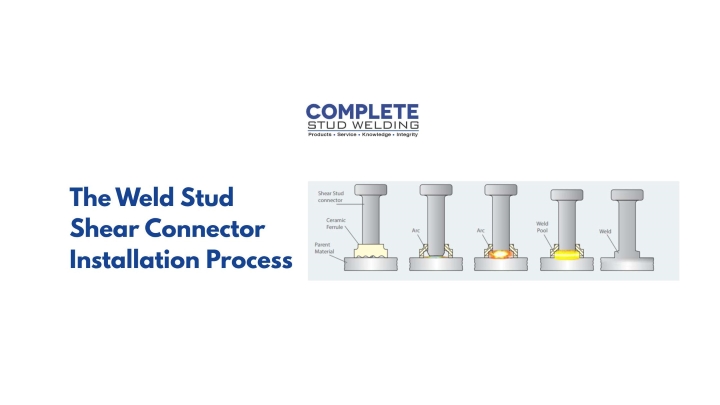
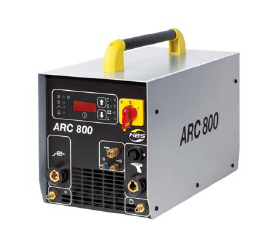
Installing a weld stud shear connector is a fast, one-sided process. A welding gun positions the stud against the steel flange, an electric arc melts the base of the stud and the surrounding steel, and pressure fuses them together in a fraction of a second. There is no drilling, no bolting, and no need to access the underside of the beam.
This speed matters on a job site. A skilled crew uses the right equipment and can weld hundreds of studs in a single shift, which keeps steel erection schedules on track. That said, stud welding is not something to leave to guesswork. Equipment calibration, weld timing, and stud placement all affect the final bond strength, which is why experienced crews and reliable equipment make such a difference.
Factors That Affect Shear Connector Performance
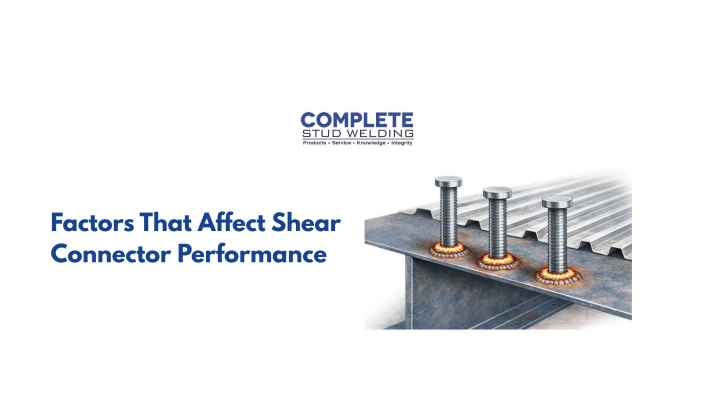
Even high-quality shear connector studs require proper engineering and installation. Several factors influence performance:
1. Welding Quality
The connection between the stud and steel beam must achieve proper fusion. Incorrect welding settings can reduce connector strength.
2. Concrete Strength
Concrete properties directly affect how much resistance the connector can develop after installation.
3. Stud Placement
Spacing, edge distance, and layout must follow engineering requirements to ensure proper load transfer.
4. Surface Condition
Steel surfaces should be properly prepared before welding to achieve reliable results.
Choosing the Right Shear Connector Studs for Your Project
Not every project calls for the same shear connector studs. Diameter, length, and material grade all depend on the beam size, slab thickness, and load requirements set by the structural engineer. Getting this wrong can mean costly rework, delayed inspections, or worse, a connection that underperforms once the building is in service.
That is where working with a supplier who understands both the equipment and the application becomes essential. It is not enough to buy studs off a shelf. You need a partner who can help match the right stud type to your drawings, your deck profile, and your welding equipment.
Why Choose Complete Stud Welding for Shear Connectors?
Complete Stud Welding has spent years supporting contractors, fabricators, and engineers who rely on composite steel construction to get projects built right. From weld studs and stud welding guns to full equipment rental and repair support, our team understands what it takes to get a strong, code-compliant connection on the first try.
Our solutions include:
- Quality shear connector products
- Structural welding accessories
- Stud welding equipment
- Industry-focused support
- Reliable solutions for construction applications
Whether you need shear stud connectors, weld stud shear connector products, or complete stud welding solutions, our team can help you find the right option for your project.
Final Thoughts
Shear stud connectors are a vital part of modern composite steel construction. They allow steel and concrete to work together, improving strength, durability, and structural efficiency. From commercial buildings to bridges and industrial facilities, properly selected and installed headed stud shear connectors provide the connection strength needed for safe and efficient structures.
If your next project depends on industry-grade shear stud connectors and the equipment to install them correctly, Complete Stud Welding is ready to help.
Call us today at 216-904-4008 or visit completestudweld.com to request a quote, explore our full range of weld studs, or learn more about what stud welding is and how it fits your next composite steel build.
Comments are closed.