
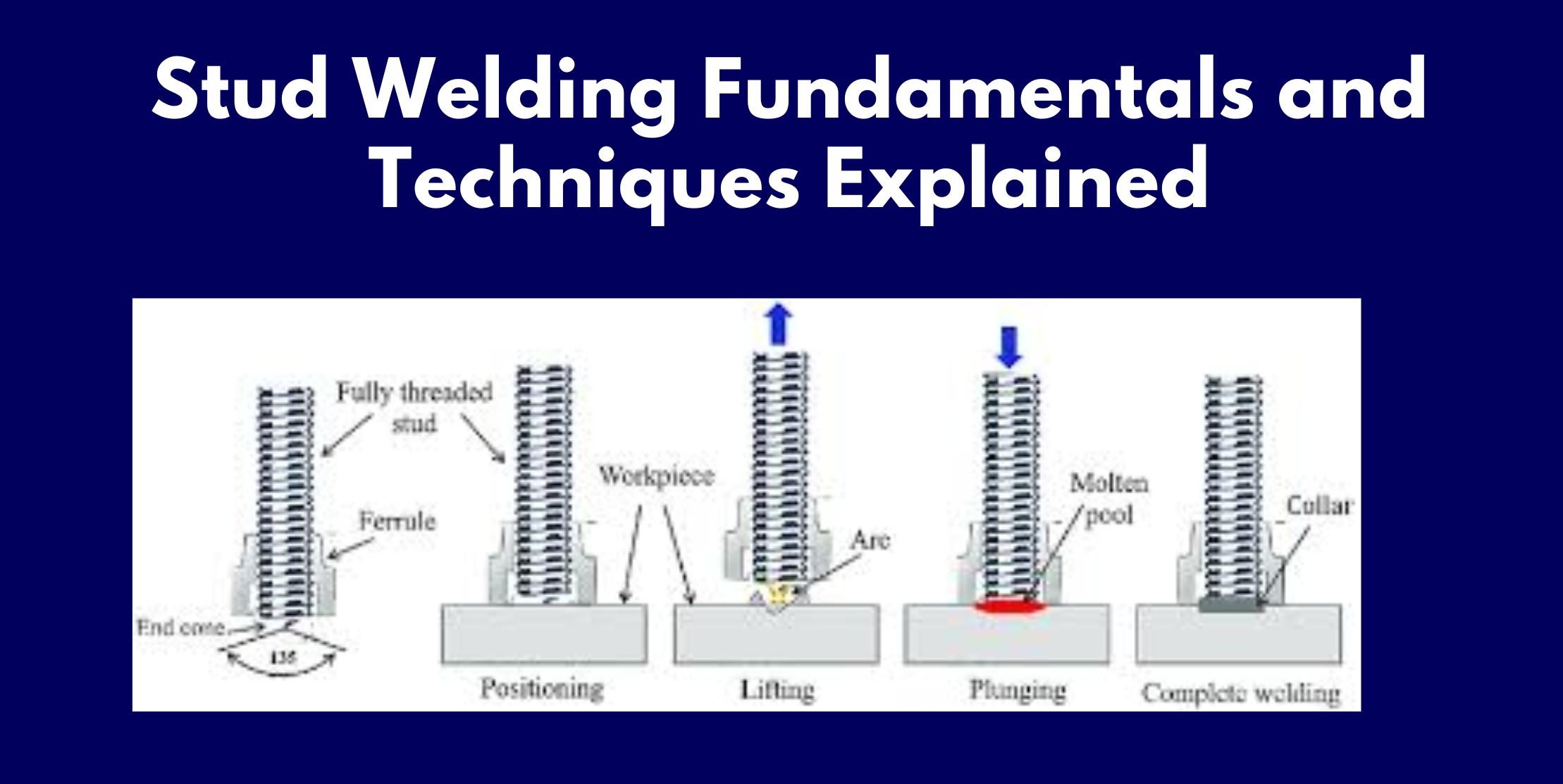
Stud welding is a direct-to-metal fastening method used in structural steel, heavy fabrication, manufacturing, and industrial assembly. It provides a full-strength weld in a single operation without requiring access to the reverse side of the material.
This guide explains what is stud welding, outlines the stud welding process, compares ARC stud welding and CD stud welding, and reviews the equipment required for reliable performance. Technical references are aligned with industry practices and solutions available through Complete Stud Weld.
What Is Stud Welding?
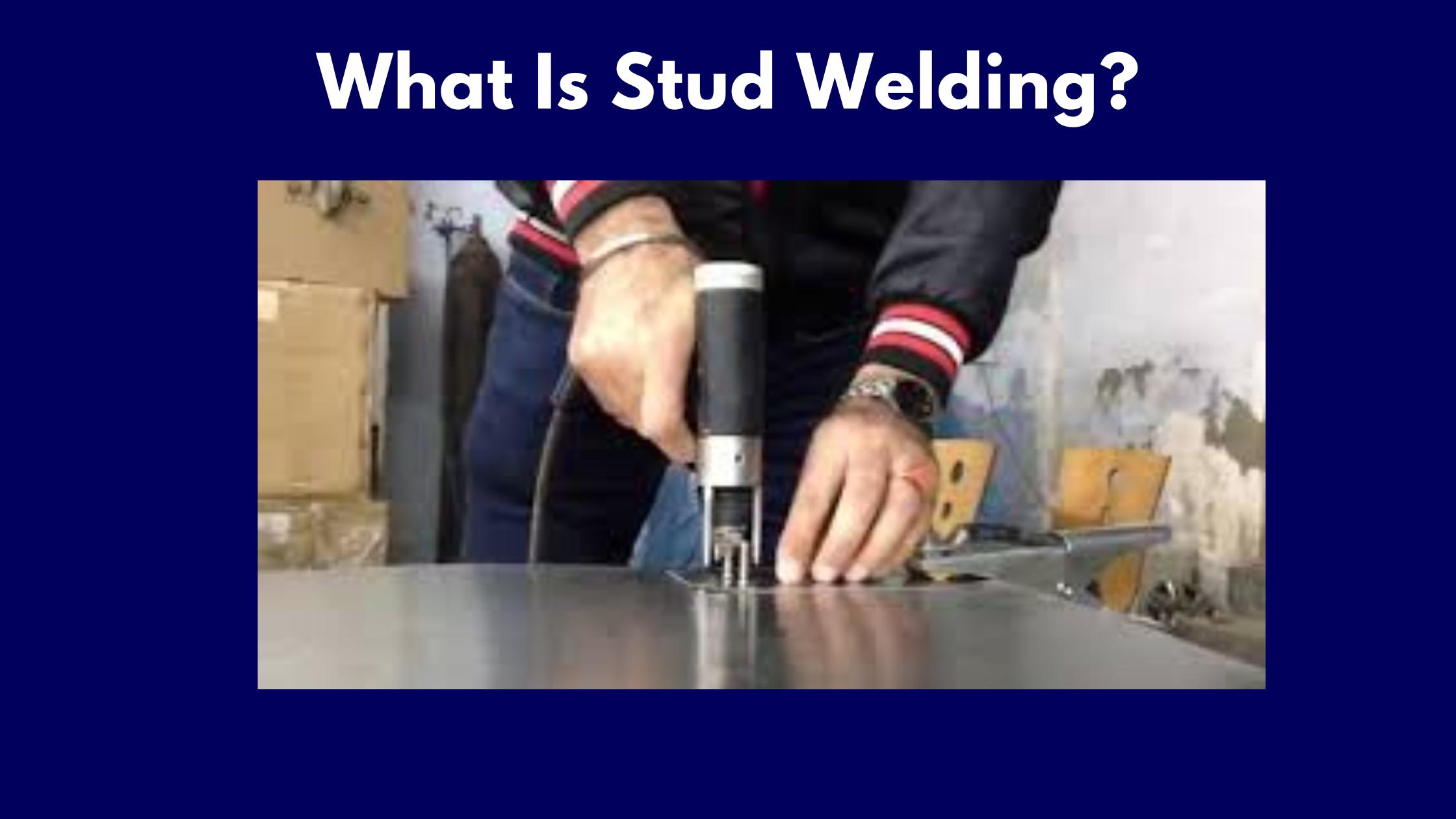
Stud welding is a welding technique that joins a metal stud or fastener to a base material using an electric ARC. The ARC melts both the stud base and the parent material. The stud is then forged into the molten pool, creating a high-strength fusion bond.
Unlike traditional welding methods, stud welding:
- Requires access from only one side
- Eliminates the need for drilling or tapping
- Produces a full cross-sectional weld
- Reduces installation time
The stud welding process involves placing the stud against the work surface, creating an electric ARC to melt both surfaces, and then forging them together under pressure. The result is a full cross-sectional weld with exceptional strength.
Understanding what is stud welding is essential when evaluating fastening solutions for structural or production environments.
Types Of Stud Welding
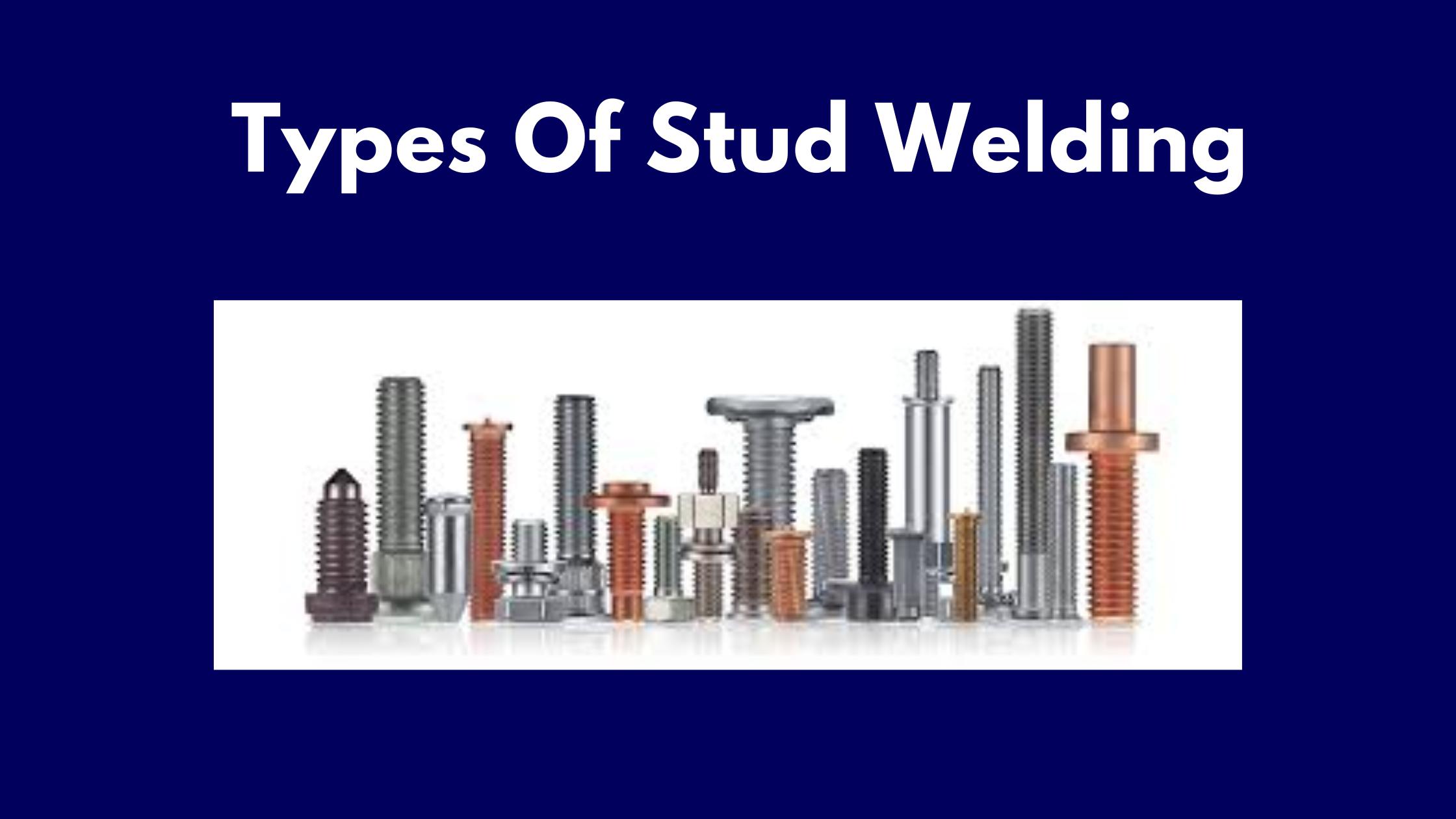
There are two main methods used in the industry today: ARC stud welding and CD stud welding. Choosing the right one depends on the thickness of your base metal and the required strength of the bond.
1. ARC Stud Welding (Drawn ARC)
ARC stud welding is the preferred choice for heavy-duty applications. The ARC stud welding process involves creating an electric ARC between the stud and the workpiece, melting both surfaces before they are pressed together.
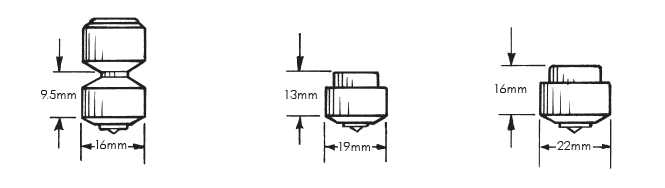
- Drawn ARC Stud Welding: This specific variation uses a ceramic ferrule to contain the molten metal and a plunge mechanism to secure the bond.
- ARC Stud Welding Capacity: This method is designed for larger diameter studs and thicker base metals, providing deep penetration and maximum structural integrity.
To maintain precision, professionals use high-quality Drawn ARC stud welding systems and specialized stud welding collets to hold the fasteners securely during the cycle.
2. CD Stud Welding (Capacitor Discharge)
CD stud welding (Capacitor Discharge) is used for thinner materials where aesthetics and minimal backside marking are important. The CD stud welding process uses a rapid discharge of stored energy from a capacitor bank to melt the tip of the stud. Because the CD stud welding process happens so quickly, it prevents heat distortion on the opposite side of the metal.
The Stud Welding Process: How It Works?
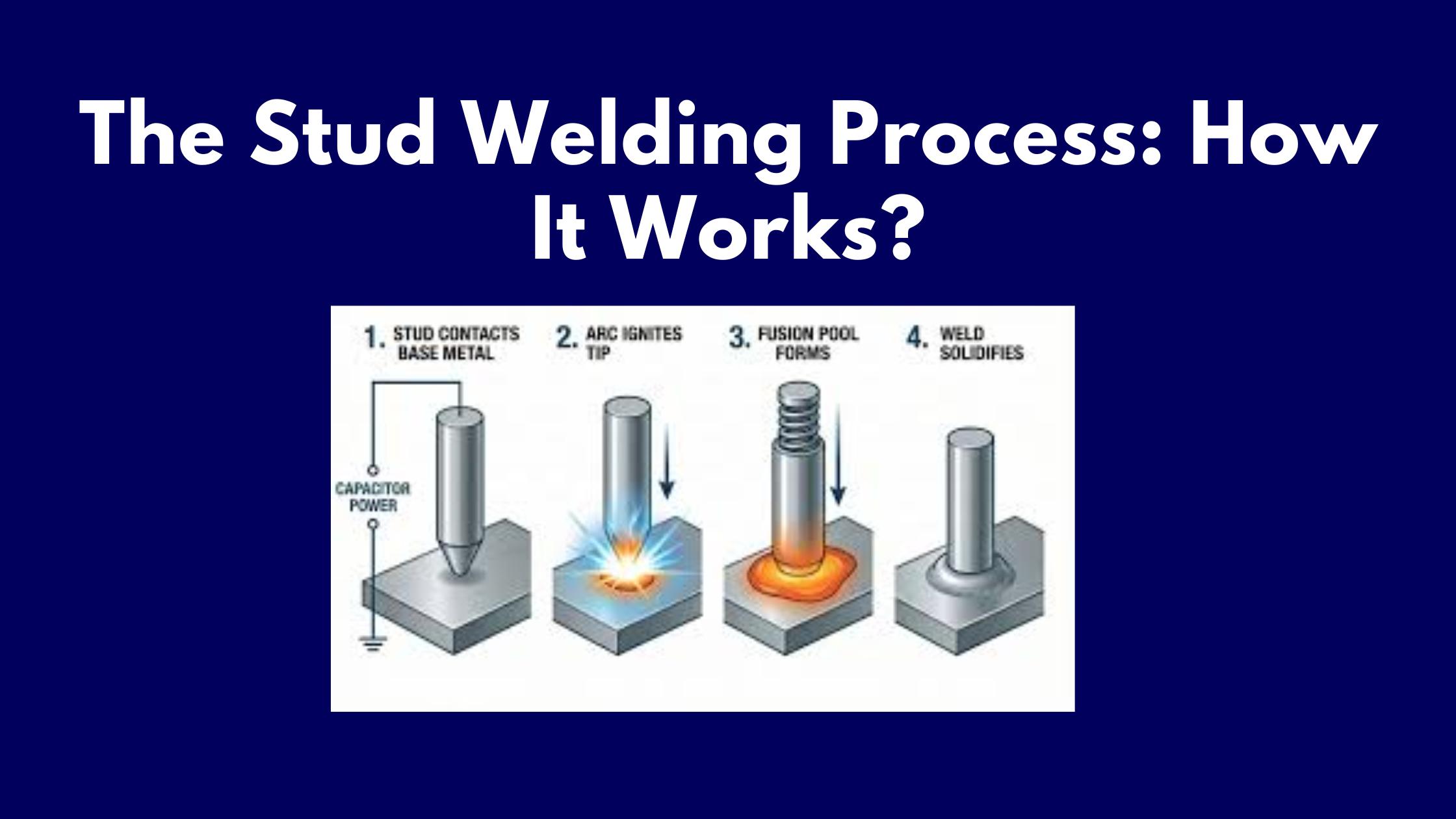
The stud welding process follows a consistent sequence regardless of the method used — whether ARC stud welding or CD stud welding. Understanding the stud welding process helps operators select the correct parameters, maintain quality, and achieve repeatable results.
Phase 1: Setup and Fixturing
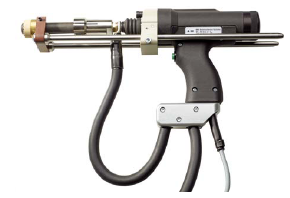
The operator loads the stud into the stud welding gun and positions the gun perpendicular to the workpiece surface. Proper alignment is critical to achieving consistent, high-quality welds.
The stud welding collets — the components that hold the stud securely in the gun — play a vital role at this stage. Properly fitted stud welding collets ensure the stud remains correctly positioned throughout the welding cycle.
Phase 2: Contact and ARC Initiation
When the trigger is pulled, the stud welding gun lifts the stud slightly off the workpiece surface. This controlled lift creates the ARC gap where the electrical ARC is initiated. The intense heat generated by the ARC rapidly melts both the base of the stud and a small area of the workpiece surface.
Phase 3: Plunge and Fusion
Once the molten pool is established, the stud welding gun drives the stud into the molten metal under controlled spring pressure. The stud and workpiece fuse together as the molten material solidifies, forming a permanent metallurgical bond.
The entire stud welding process — from ARC initiation to cooling — typically takes between 0.01 and 1.5 seconds, depending on the stud diameter and method used.
Phase 4: Quality Verification
After welding, the operator inspects each weld visually and, where required, performs bend testing or torque testing to confirm weld integrity. Consistent stud welding equipment calibration is essential to maintaining process repeatability.
Core Principles of Stud Welding
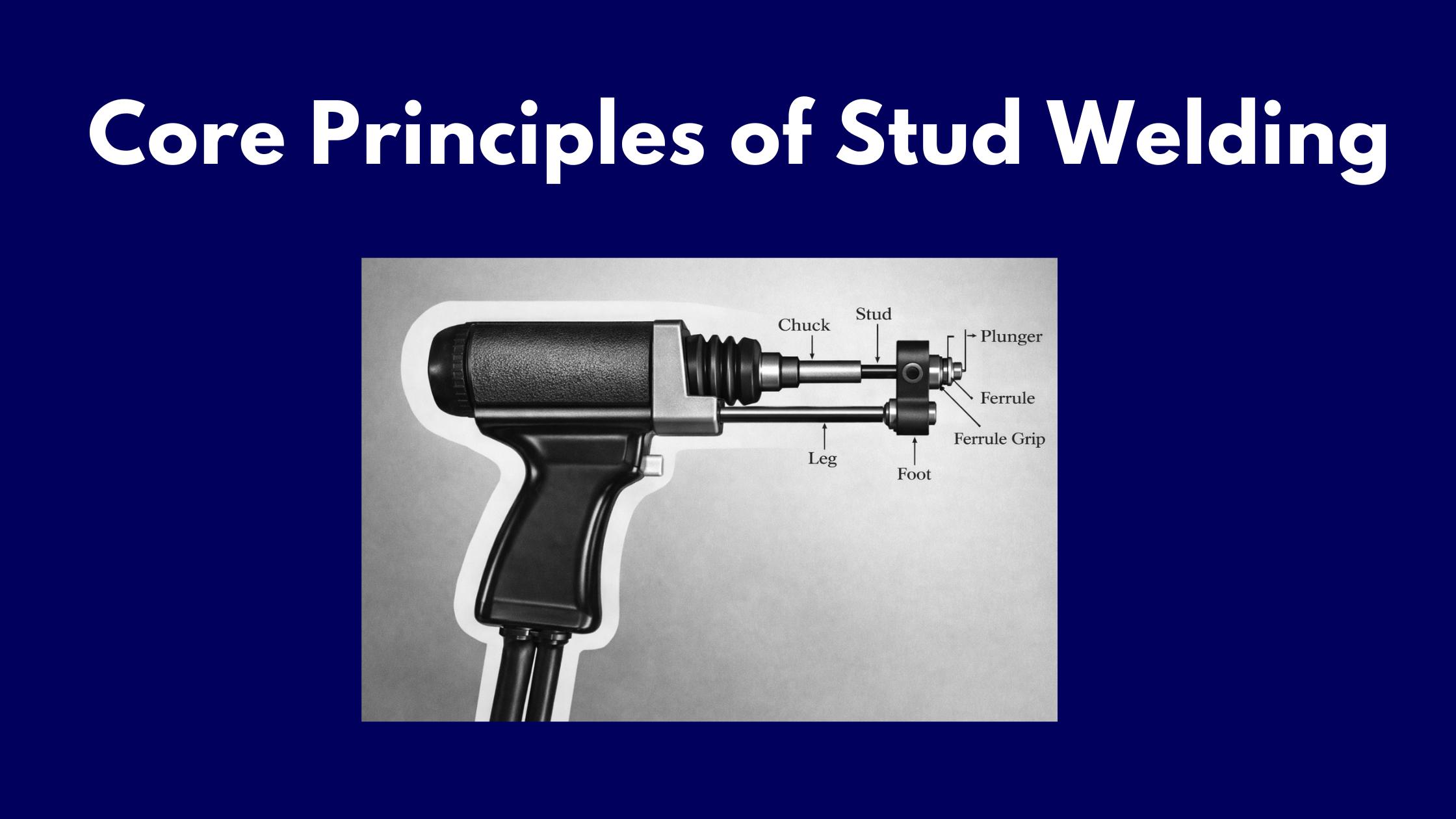
At its foundation, the stud welding process relies on controlled ARC generation, precise timing, and applied pressure. The objective is to achieve complete fusion between the stud and the workpiece while maintaining structural integrity.
The standard stud welding process follows these steps:
- A stud is secured in a stud welding gun.
- The gun positions the stud against the base metal.
- An ARC is initiated between the stud and the surface.
- Both materials melt simultaneously.
- The stud is plunged into the weld pool and held under pressure.
- The weld solidifies, completing the bond.
This controlled sequence ensures repeatable weld quality. When properly executed, stud welding produces high tensile and shear strength suitable for structural applications.
Selecting the Right Stud Welding Solution
Choosing the appropriate stud welding machine and system depends on several factors:
- Required stud diameter
- Base material thickness
- Production volume
- Required ARC stud welding capacity
- Environmental conditions
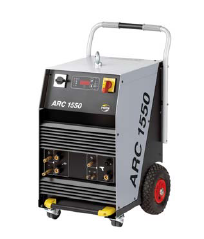
For structural steel projects, Drawn ARC stud welding systems paired with a properly rated ARC stud welding machine deliver dependable results. For lighter fabrication work, CD stud welding systems offer precision and speed.
Work with a Trusted Supplier
Complete Stud Welding provides advanced fastening solutions, including industrial-grade stud welding equipment, heavy-duty ARC stud welding machine systems, precision stud welding gun assemblies, and durable stud welding collets.
As a supplier, Complete Stud Welding supports customers with technical guidance on what stud welding is, proper stud welding process selection, evaluation of ARC stud welding capacity, and implementation of professional stud welding services.
For reliable systems and application expertise, partner with Complete Stud Welding — your trusted supplier of industrial stud welding solutions.
Comments are closed.