
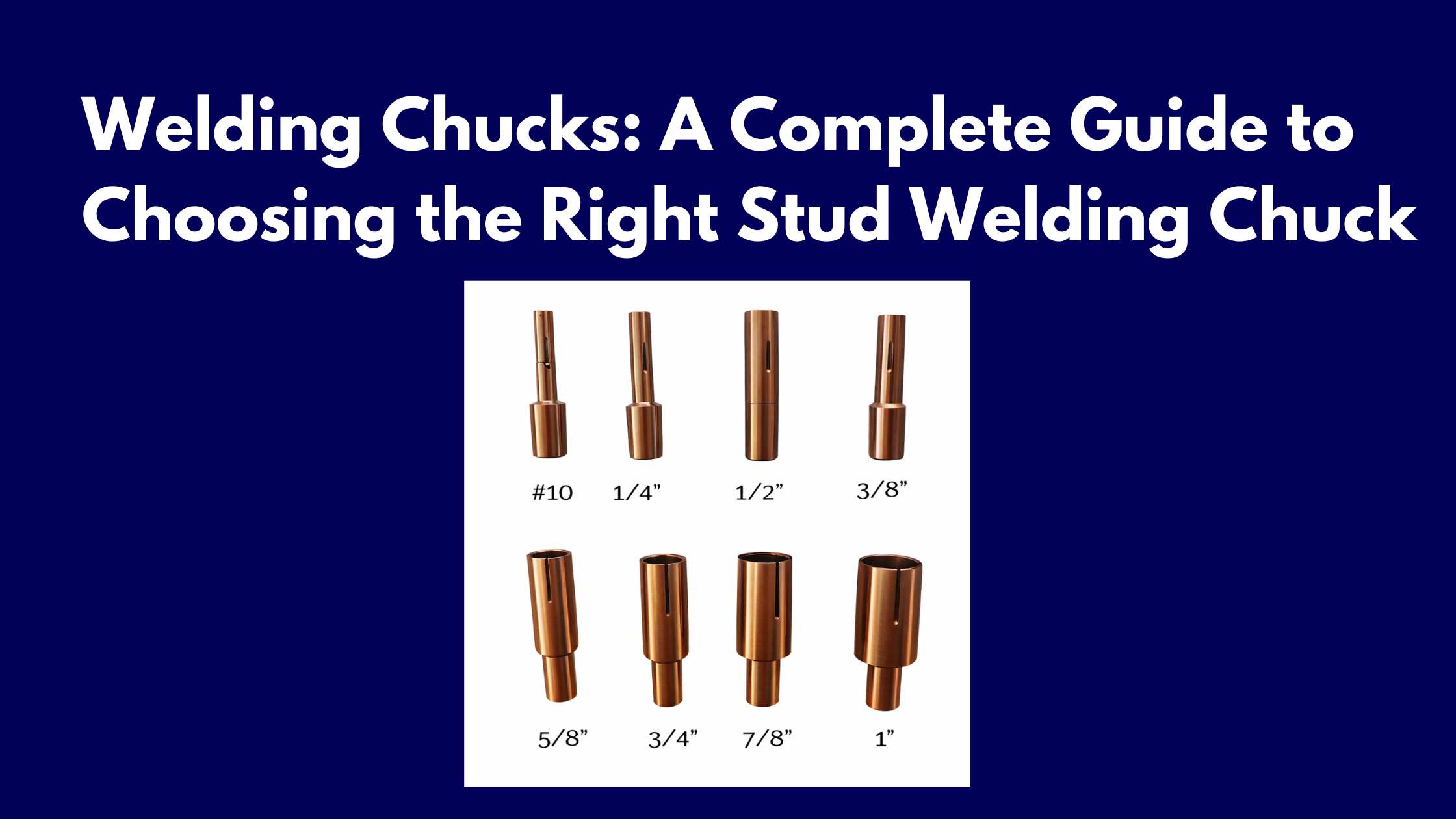
Precision manufacturing and fabrication demand precision tooling. At the heart of many welding operations lies a critical but often overlooked component: the welding chucks. Whether you’re performing routine pipe welding chuck operations or complex structural assembly work, selecting the right stud welding chuck directly impacts your productivity, product quality, and bottom line.
This comprehensive guide walks you through everything you need to know about welding chucks, from basic principles to advanced selection criteria. We’ll explore the different types, specifications, and best practices that separate successful operations from those plagued by rework, downtime, and inconsistent results.
Understanding Welding Chucks
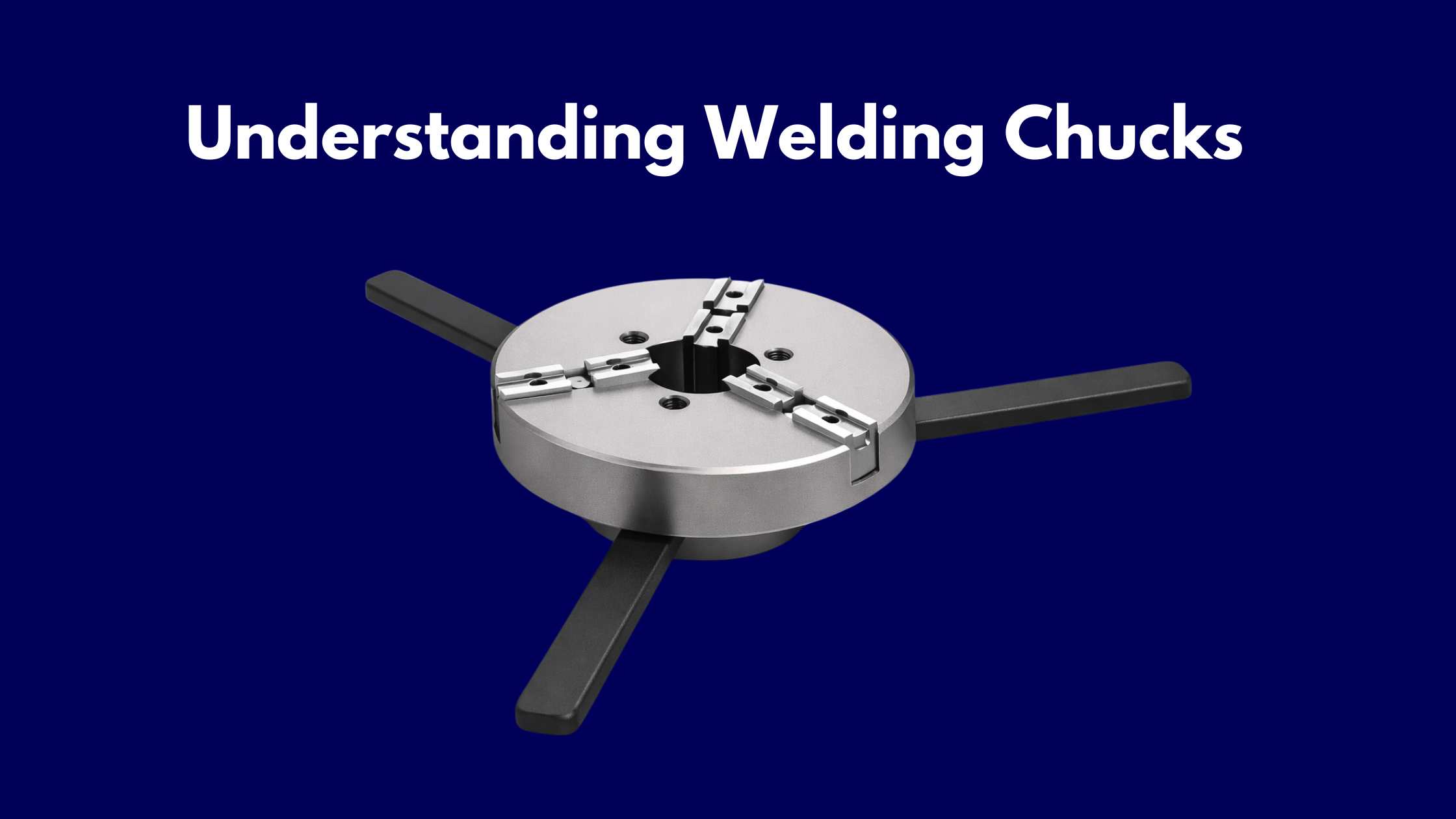
A welding chuck is a precision clamping device designed to hold, position, and secure workpieces during welding operations. More specifically, a chuck welding apparatus creates a rigid connection between the workpiece and positioning equipment, eliminating movement and ensuring consistent weld geometry.
In stud welding applications, a stud welding chuck serves the specific purpose of securing fasteners (studs) before, during, and after the welding process. According to the American Welding Society (AWS), proper workpiece positioning and retention are fundamental requirements for achieving quality welds that meet specifications.
Unlike general-purpose vises or clamps, chucks welding systems incorporate specialized design features:
- Precise centering: Maintains positional accuracy within tolerance during clamping and heating
- Heat management: Accommodates thermal expansion without releasing the workpiece
- Minimal distortion: Distributes clamping forces to prevent part warping
- Quick-change capability: Enables rapid setup for different part geometries
- Repeatability: Provides consistent positioning across multiple cycles
Welding Chucks Impact on Quality and Efficiency
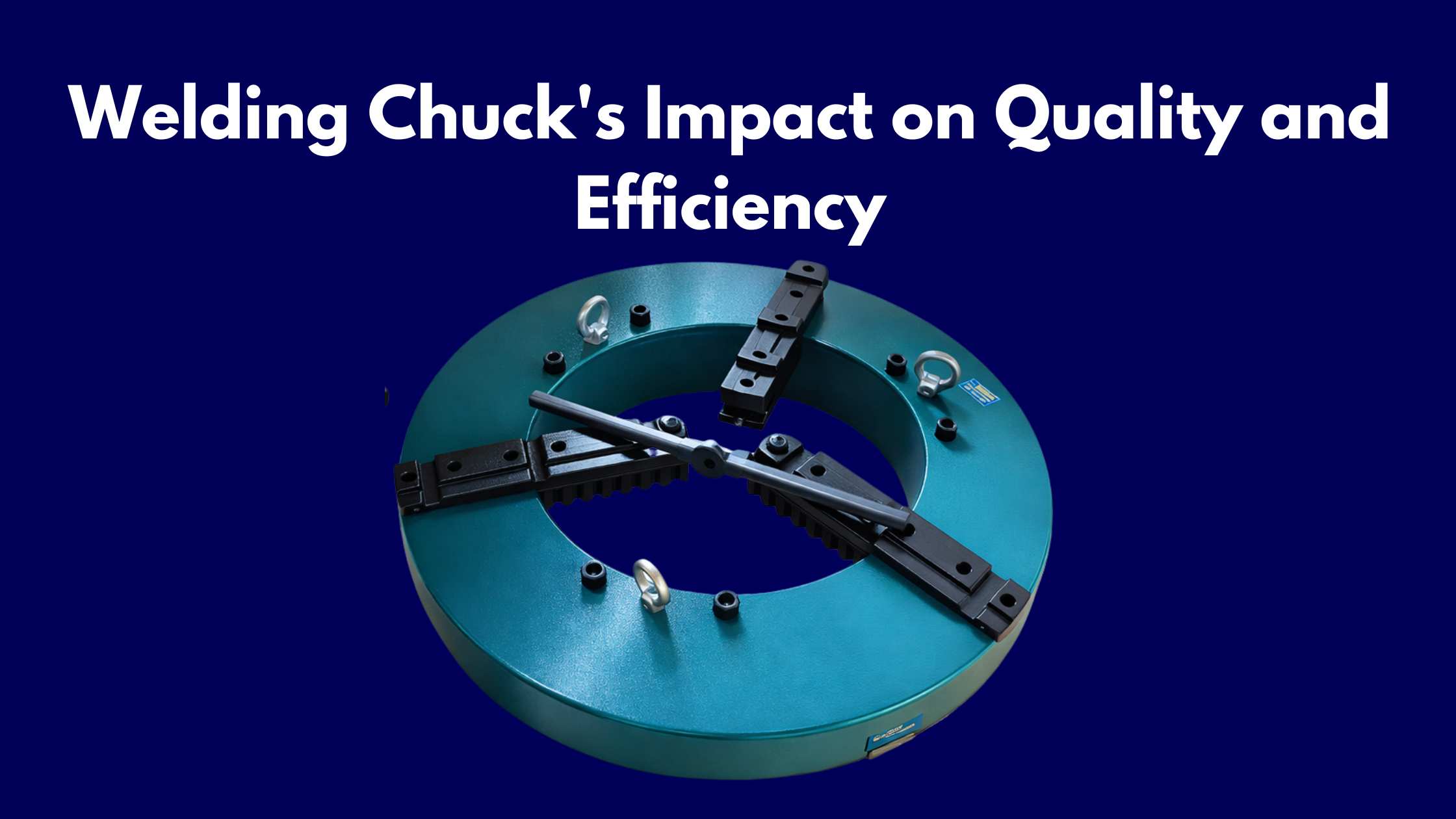
The selection and application of proper welding chuck technology directly affect multiple critical manufacturing parameters. Understanding this impact clarifies why chuck selection deserves careful attention.
Quality and Consistency
Inconsistent workpiece positioning results in variable weld penetration, undercut, and porosity. Lincoln Electric’s stud welding process guides emphasize that precise positioning and stability are essential for meeting weld specifications. A properly selected stud welding chuck eliminates positional variables, improving first-pass quality rates and reducing rework.
Productivity and Cycle Time
Quick-change chuck grip systems enable rapid part changeover. Operations using versatile adjustable chuck designs report a 15-25% reduction in setup time compared to fixed fixtures, directly translating to increased throughput.
Operator Safety
Secure clamping eliminates the need for manual workpiece handling during welding, reducing burn risk and hand injuries. Automated chuck systems further minimize operator proximity to hot work zones.
Cost Reduction
Reduced rework, lower scrap rates, and faster setup times compound to significant cost savings. Over the course of a year, proper chuck selection can yield thousands of dollars in efficiency gains for medium-sized operations.
Essential Chuck Specifications
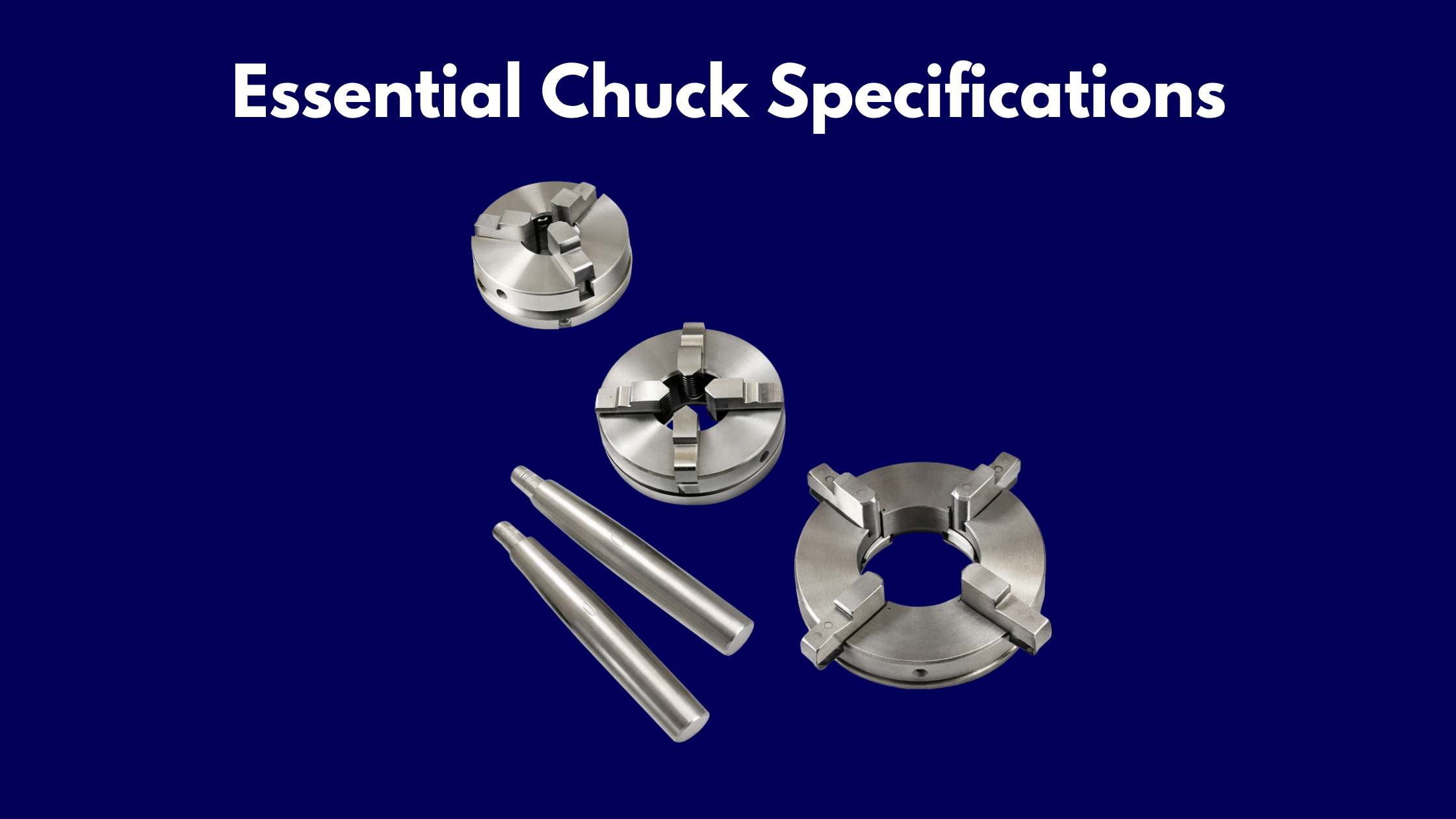
When evaluating welding chucks, consider these essential specifications:
| Specification | Description | Impact on Performance |
| Jaw Opening Capacity | Minimum to maximum stud diameters the chuck can grip (typically 1/4″ to 1″ or M6-M24) | Determines stud size compatibility and process flexibility |
| Gripping Force | Force exerted by chuck jaws (measured in pounds or kilograms) | Affects stud stability during welding; excessive force damages studs |
| Jaw Material | Typically hardened steel or specially treated alloy | Determines wear resistance, service life, and stud damage prevention |
| Response Time | Speed of jaw opening/closing (typically 0.1-0.3 seconds) | Critical for cycle time and production efficiency |
| Repeatability | Consistency of positioning across multiple weld cycles | Ensures uniform weld quality and reduces defects |
Types of Welding Chucks
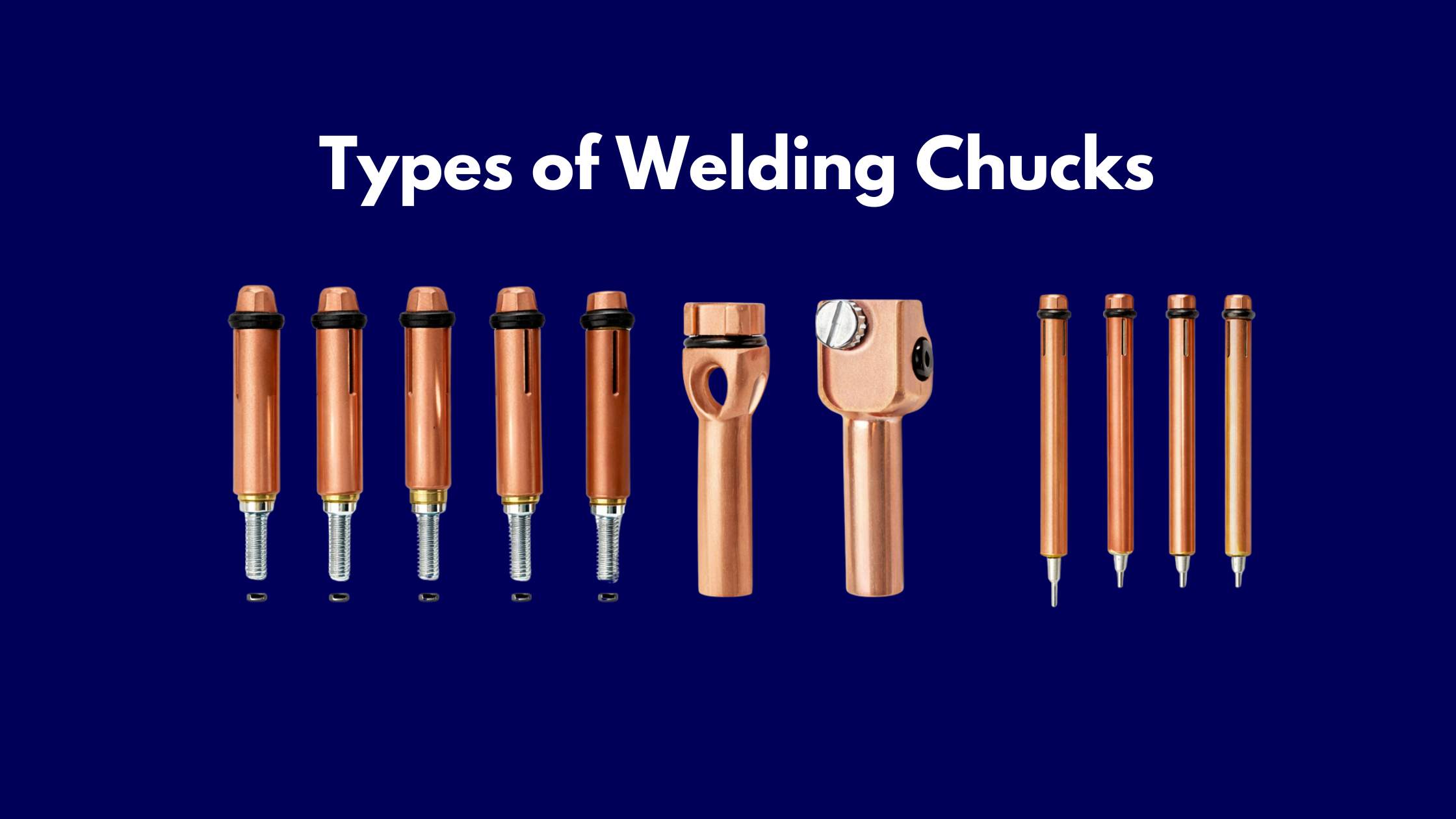
The market offers diverse welding chuck designs, each optimized for specific applications. Understanding the distinctions helps narrow your selection process.
Manual Welding Positioner Chucks
Welding positioner chuck systems operated manually provide cost-effective solutions for low-volume or intermittent operations. Operators manually position workpieces using handwheels or levers.
Best for: Prototype development, small batch runs, job shops with diverse part geometries.
Key characteristics:
- Lower initial investment (typically $2,000-$8,000)
- Flexible accommodation of varying part sizes
- Requires trained operators
- Moderate clamping force control
Hydraulic Welding Positioner Chucks
Welding positioners with chuck hydraulic systems deliver consistent, repeatable clamping force across production runs. Hydraulic pressure provides superior holding power for large or complex geometries.
Best for: Production environments, heavy assemblies, precision applications demanding consistent clamping.
Key characteristics:
- Consistent clamping pressure (adjustable 0-100+ PSI)
- Suitable for high-volume production
- Requires hydraulic infrastructure
- Higher initial and maintenance costs ($8,000-$25,000+)
Pneumatic Chuck Systems
Pneumatic chucks welding systems offer a middle-ground solution combining simplicity with repeatability. Air pressure drives jaw clamping, providing reliable performance without hydraulic complexity.
Best for: Medium-volume production, facilities with compressed air infrastructure, applications requiring frequent chuck changes.
Key characteristics:
- Moderate clamping force (20-80 PSI typical)
- Quick jaw changeover capability
- Lower maintenance requirements
- Cost-effective ($5,000-$15,000)
Pipe Welding Chuck Systems
Specialized pipe welding chuck and pipe welding chucks designs accommodate cylindrical workpieces. These incorporate V-block or collet-style gripping surfaces that center pipe and tube automatically.
Best for: Piping fabrication, structural tubing assembly, diameter-specific applications.
Key characteristics:
- Self-centering grip geometry
- Accommodates specific diameter ranges
- Excellent for repetitive operations
- Limited to cylindrical workpieces
Adjustable and Modular Chuck Designs
Adjustable chuck systems and modular grip chuck configurations provide maximum flexibility. Interchangeable jaw components allow operators to reconfigure for different part geometries without complete system replacement.
Best for: Multi-product facilities, rapid prototyping, situations demanding maximum flexibility.
Key characteristics:
- Interchangeable jaw sets
- Accommodation of multiple-part geometries
- Reduced inventory of specialized chucks
- Higher per-unit cost offset by versatility
Welding Gripper Chuck Technology
Welding gripper chucks represent advanced clamping technology incorporating serrated jaws, load-sensing capabilities, and integrated safety features. These high-performance systems excel in demanding applications.
Best for: Aerospace, automotive, critical-tolerance applications where precision is non-negotiable.
How to Select the Right Stud Welding Chuck
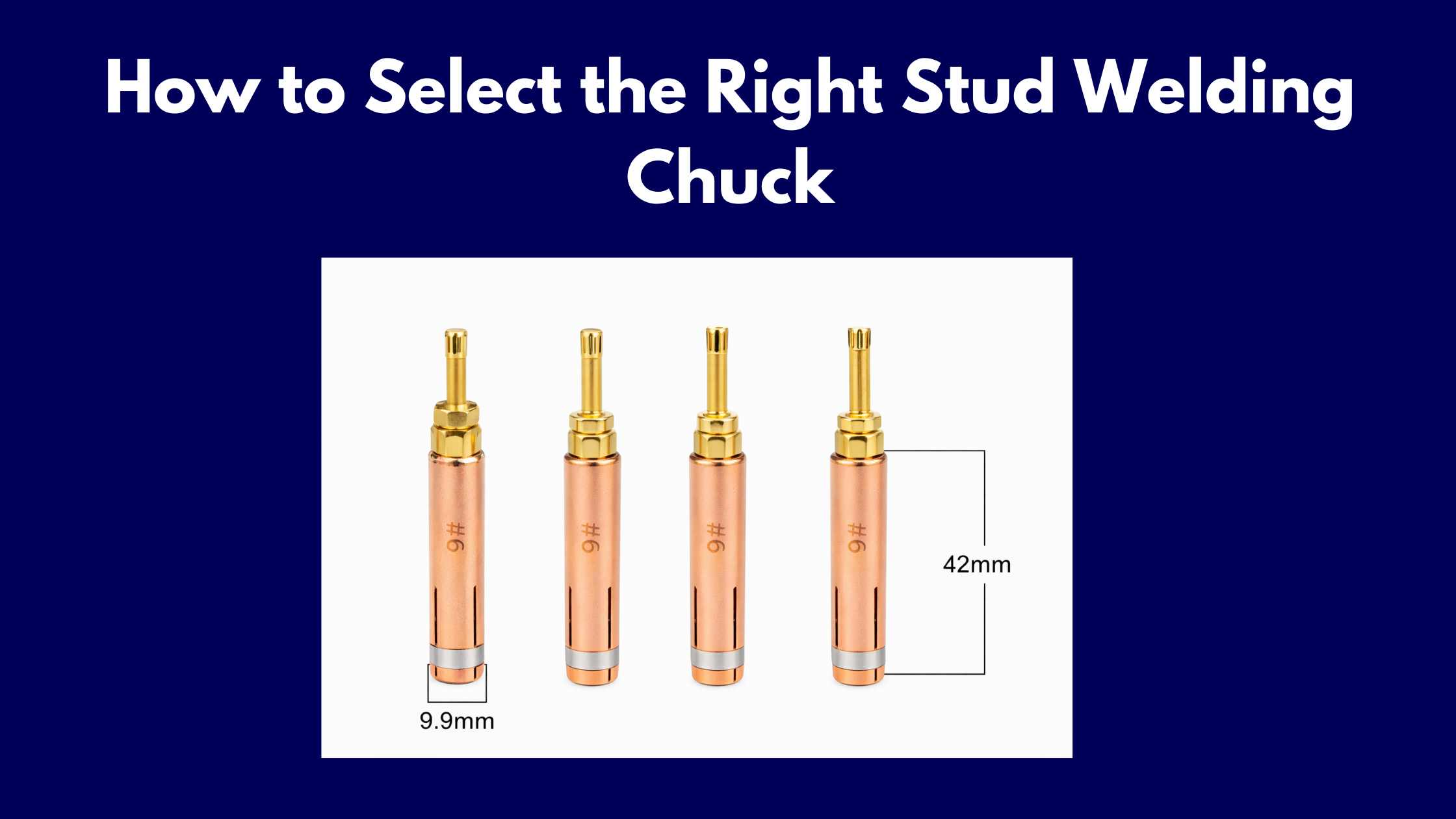
Choosing the optimal stud welding chuck requires systematic evaluation across multiple criteria. This section provides a practical framework.
Step 1: Define Application Requirements
Document specific requirements before evaluating options:
- Part geometry: Rectangular? Cylindrical? Complex asymmetrical shapes?
- Part weight: From grams to hundreds of kilograms?
- Production volume: Prototype quantities or high-volume production?
- Tolerance requirements: Prototype ±2mm or precision ±0.1mm?
- Material type: Mild steel, stainless, aluminum, exotic alloys?
- Welding duration: Quick spot welds or extended heating cycles?
Step 2: Evaluate Chuck Types Against Requirements
Use this matrix to match application needs with chuck types:
| Requirement | Manual Chuck | Pneumatic Chuck | Hydraulic Chuck | Modular Chuck |
| Low initial cost | Excellent | Good | Fair | Fair |
| High precision | Fair | Good | Excellent | Good |
| Quick changeover | Fair | Excellent | Good | Excellent |
| High volume production | Poor | Good | Excellent | Good |
| Multiple part types | Good | Fair | Fair | Excellent |
| Heavy workpieces (>50 kg) | Poor | Fair | Excellent | Good |
Step 3: Calculate Return on Investment (ROI)
Beyond purchase price, calculate the total cost of ownership, including:
- Equipment cost: Initial chuck purchase
- Installation: Setup, alignment, validation
- Training: Operator and maintenance personnel education
- Maintenance: Annual hydraulic fluid, seal replacement, and repairs
- Energy: Compressed air or hydraulic power consumption
- Productivity gains: Reduced setup time × hourly labor cost × annual cycles
- Quality improvements: Reduced rework × cost per rework × annual cycles
A $15,000 hydraulic chuck system, reducing rework by 10% and setup time by 20%, typically pays for itself within 12-18 months in production environments.
Step 4: Validate with Trials
Before committing to large-scale implementation:
- Request trial units or demonstrations with actual workpieces
- Run production validation with 50+ parts, evaluating consistency
- Assess actual cycle time reduction and quality improvement
- Verify operator ease-of-use and safety features
Chuck Maintenance
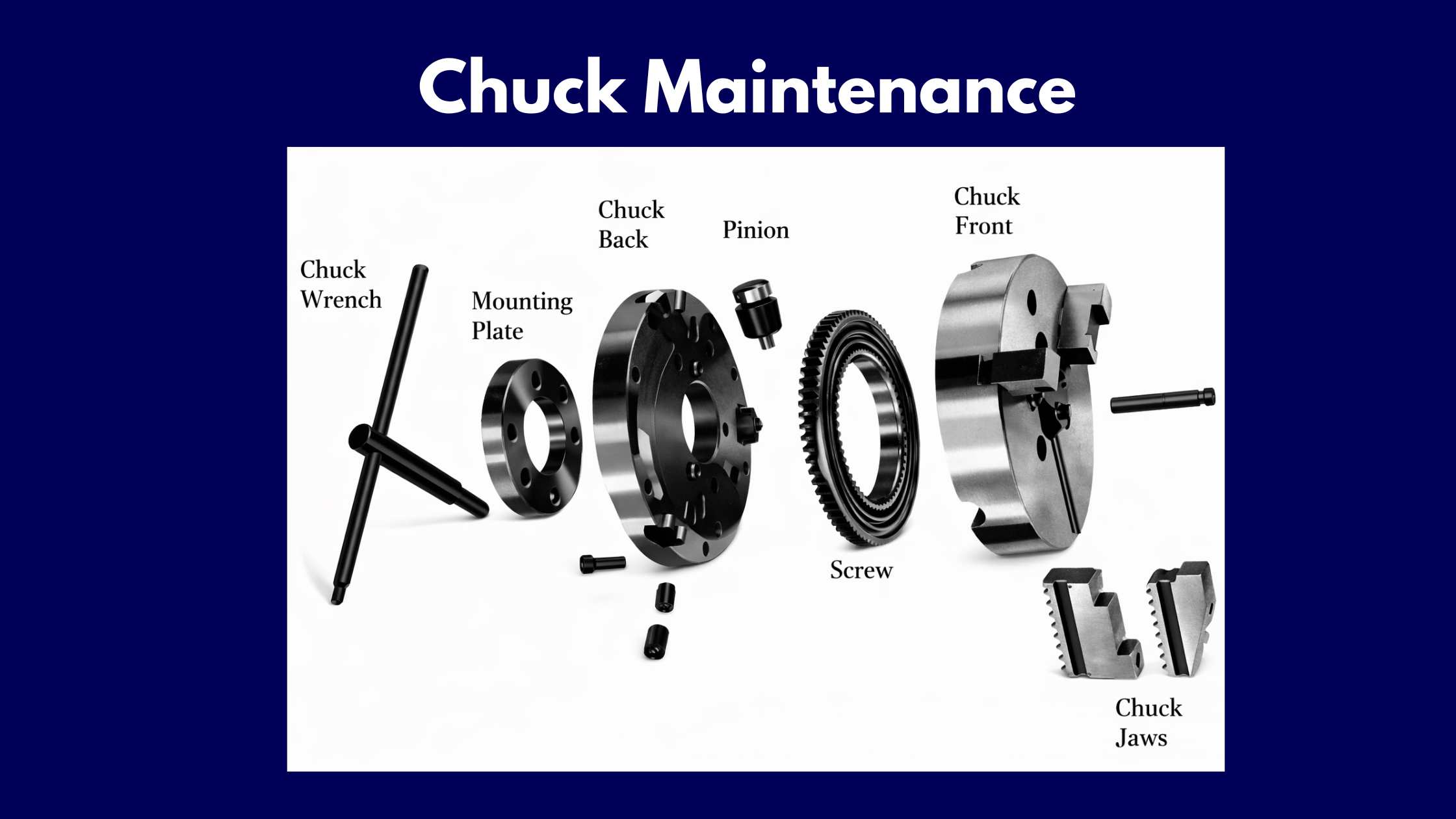
| Interval | Maintenance Task | Responsibility |
| Daily | Visual inspection, jaw cycle testing, gripping force verification | Equipment Operator |
| Weekly | Deep cleaning of jaws, alignment check, document performance data | Maintenance Technician |
| Monthly | Gripping force calibration, actuation system inspection, coolant/hydraulic fluid check | Maintenance Technician |
| Quarterly | Professional calibration service, jaw wear measurement, electrical connection inspection | Authorized Service Center |
| Annually | Complete system overhaul, jaw replacement if wear exceeds limits, seal replacement | Factory-Certified Technician |
Summing Up
Selecting the right welding chuck transcends simple equipment purchasing—it represents a strategic investment in manufacturing quality, safety, and efficiency. Whether you’re operating a small prototype shop or managing high-volume production, understanding chucks welding principles, specifications, and best practices ensures optimal outcomes.
Complete Stud Weld offers comprehensive expertise in chuck selection, configuration, and optimization. Explore specialized welding chuck solutions and accessories at complete chuck selection or call 216-904-4008 for expert consultation on chuck selection and optimization.

Comments are closed.