
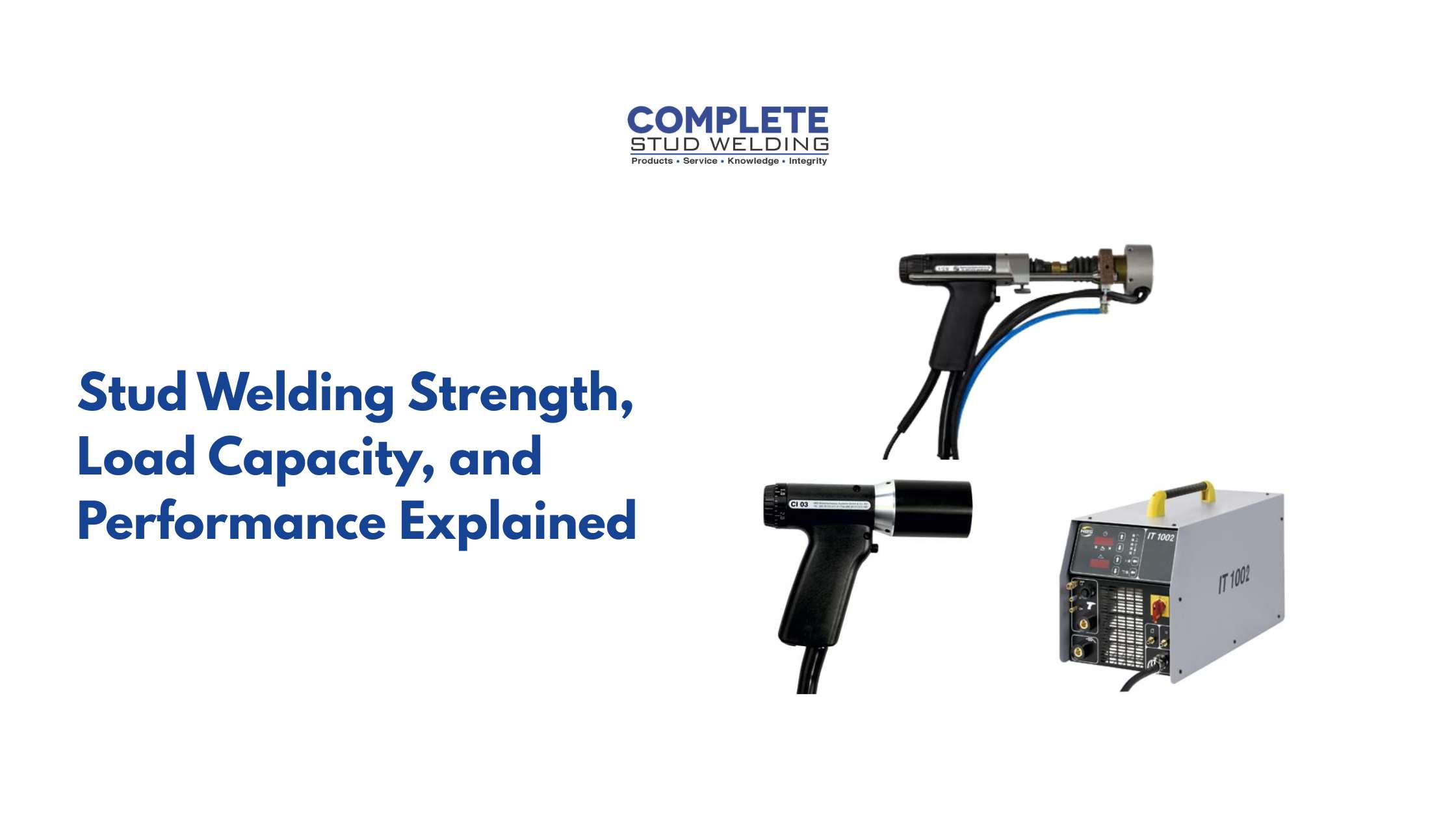
Most people assume a weld is either good or it is not. But when it comes to structural and industrial applications, that thinking is not enough. Stud welding strength is a measurable, engineerable property that directly determines how your fasteners will perform under real load conditions. Material selection, installation procedures, equipment settings, and testing methods all play important roles in determining stud welding strength.
Whether you’re using ARC weld studs for structural projects or CD weld studs for lighter-duty applications, understanding load capacity helps ensure safe and reliable results.
What Determines Stud Welding Strength?
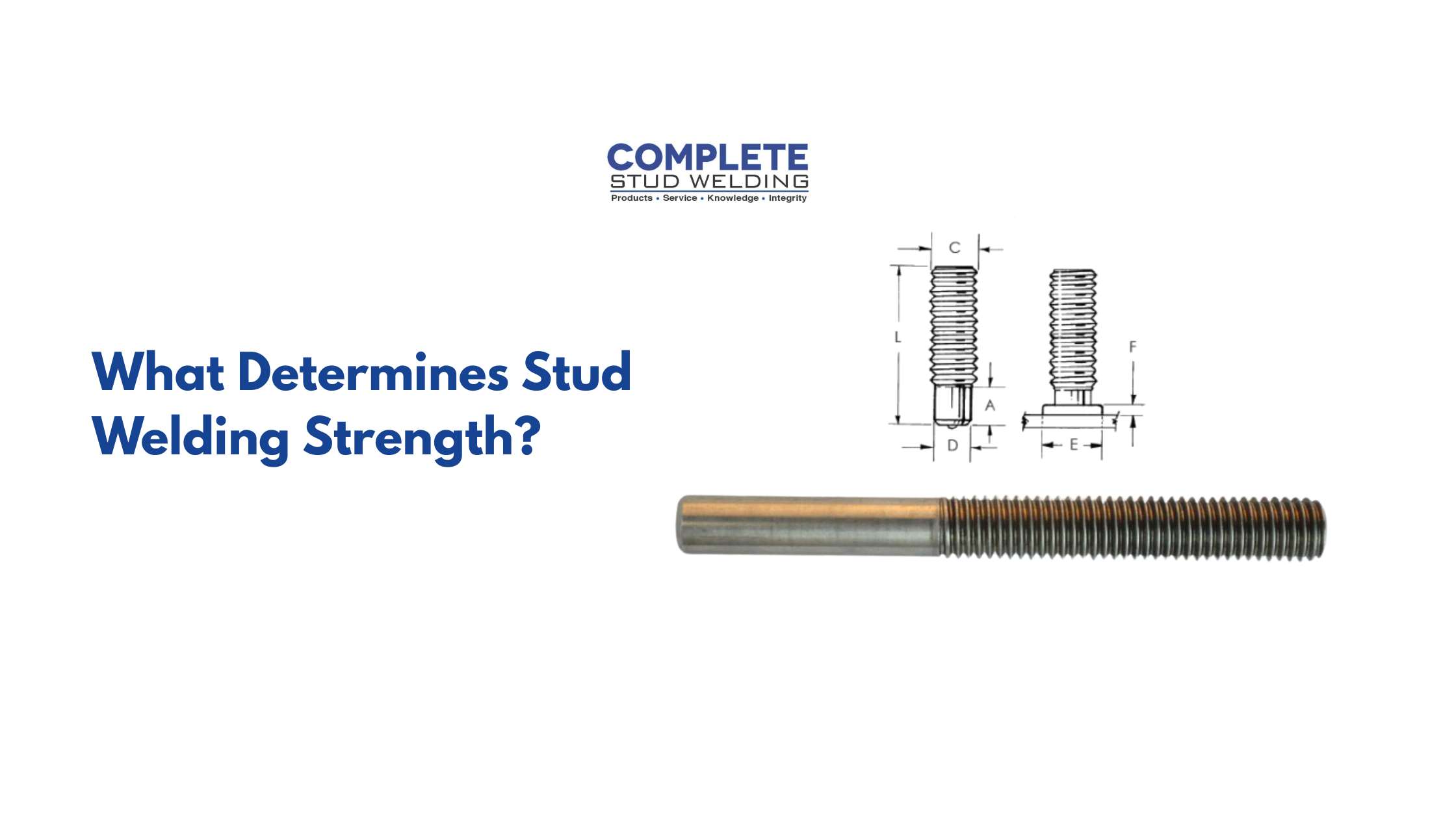
Several factors contribute to overall stud welding strength and the ability of a welded connection to perform under load.
- Base Material Properties
The strength of the base metal significantly impacts the performance of the weld. Even the highest-quality weld stud fasteners may fail to achieve their full capacity if attached to weak or improperly prepared materials.
- Stud Material and Design
Different stud materials offer varying levels of tensile and shear performance. Carbon steel, stainless steel, and specialty alloys each provide unique benefits depending on the application.
- Welding Quality
The quality of the stud welding process directly affects connection strength. Proper fusion between the stud and base material creates a strong bond capable of handling demanding service conditions.
When these factors work together correctly, stud welding strength can provide exceptional load-bearing performance across a wide range of industries.
Understanding Load Capacity in Stud Welding
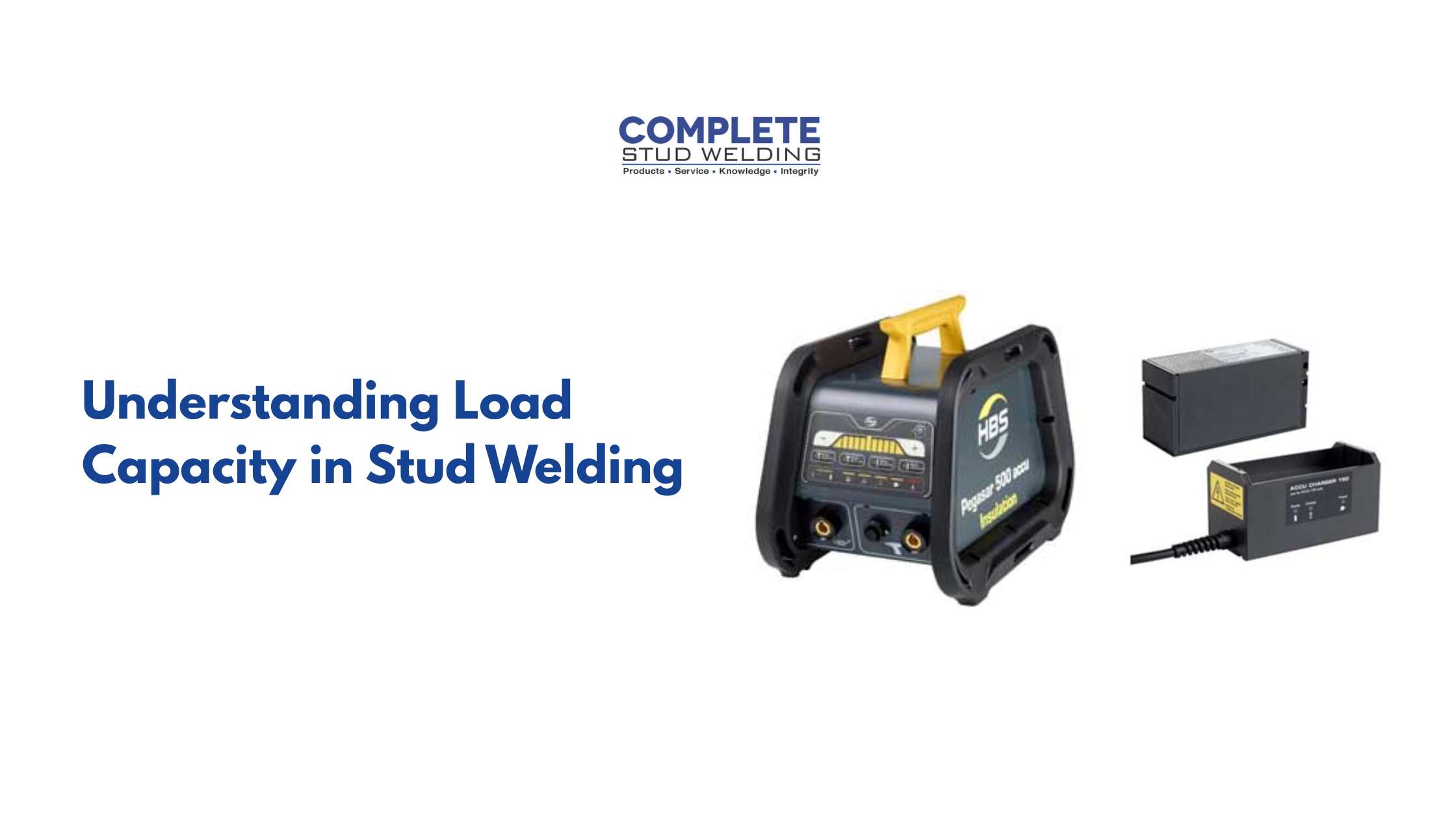
Load capacity refers to the amount of force a weld stud can safely withstand during operation. This includes both tensile loads and lateral forces.
- Tensile Capacity
Tensile capacity measures how much pulling force a stud can resist before failure occurs. Proper installation and material selection are critical for maximizing welded stud capacity.
- Shear Capacity
In many structural applications, lateral forces are equally important. Shear stud capacity refers to the ability of a stud to resist forces acting parallel to the mounting surface. Because load requirements vary from project to project, engineers often calculate both tensile and shear stud capacity values when designing welded connections.
Arc Stud Welding Capacity vs. CD Stud Welding
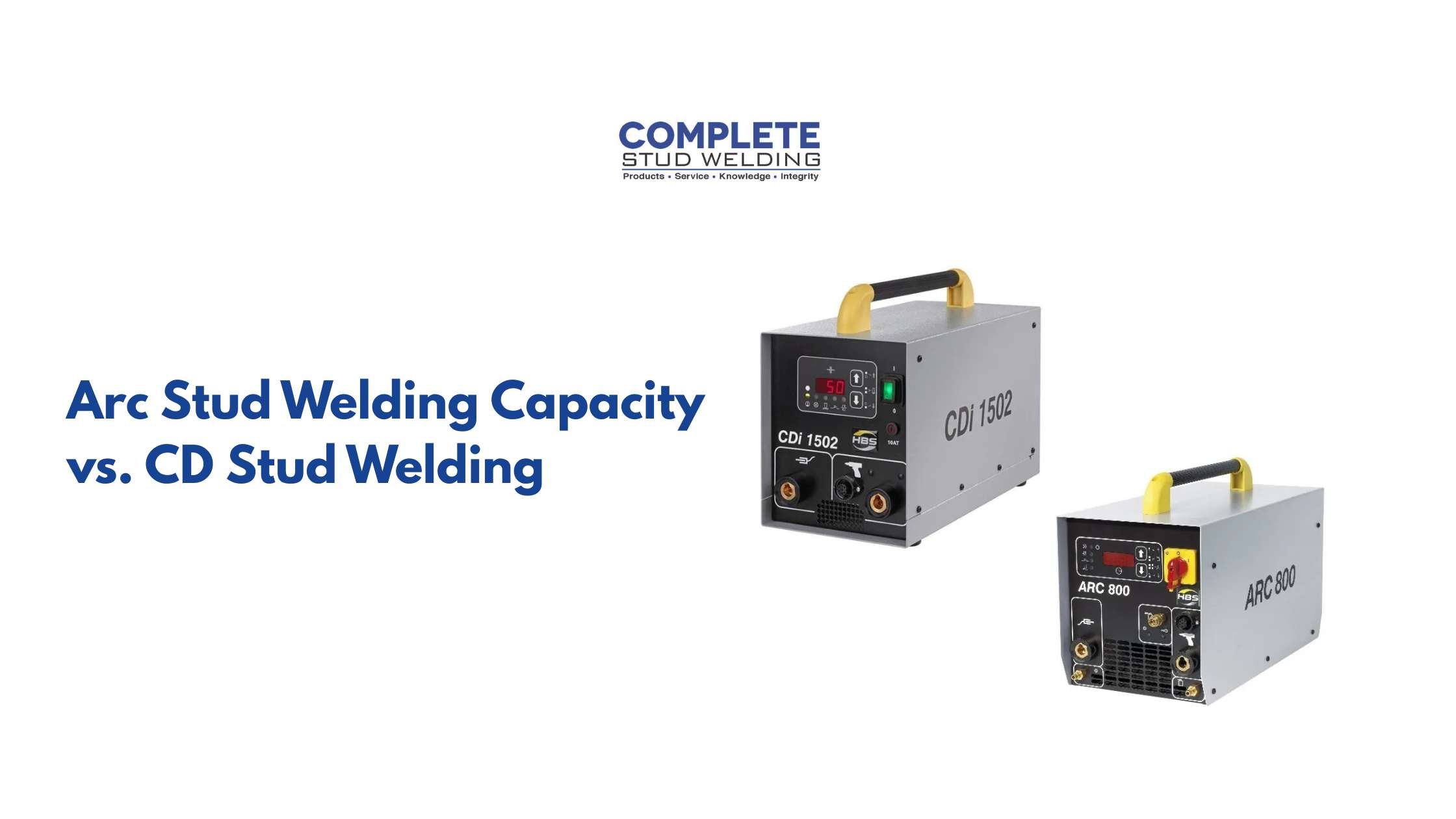
Different welding methods produce different performance characteristics.
ACR stud welding capacity is typically higher because the process creates deeper fusion and is commonly used for larger-diameter studs and structural applications.
By comparison, CD weld studs are frequently used for lighter-duty fastening applications where appearance and reduced backside marking are important considerations.
Understanding the differences in ARC stud welding capacity helps ensure the correct fastening method is selected for each project.
How are Weld Studs Tested for Strength?
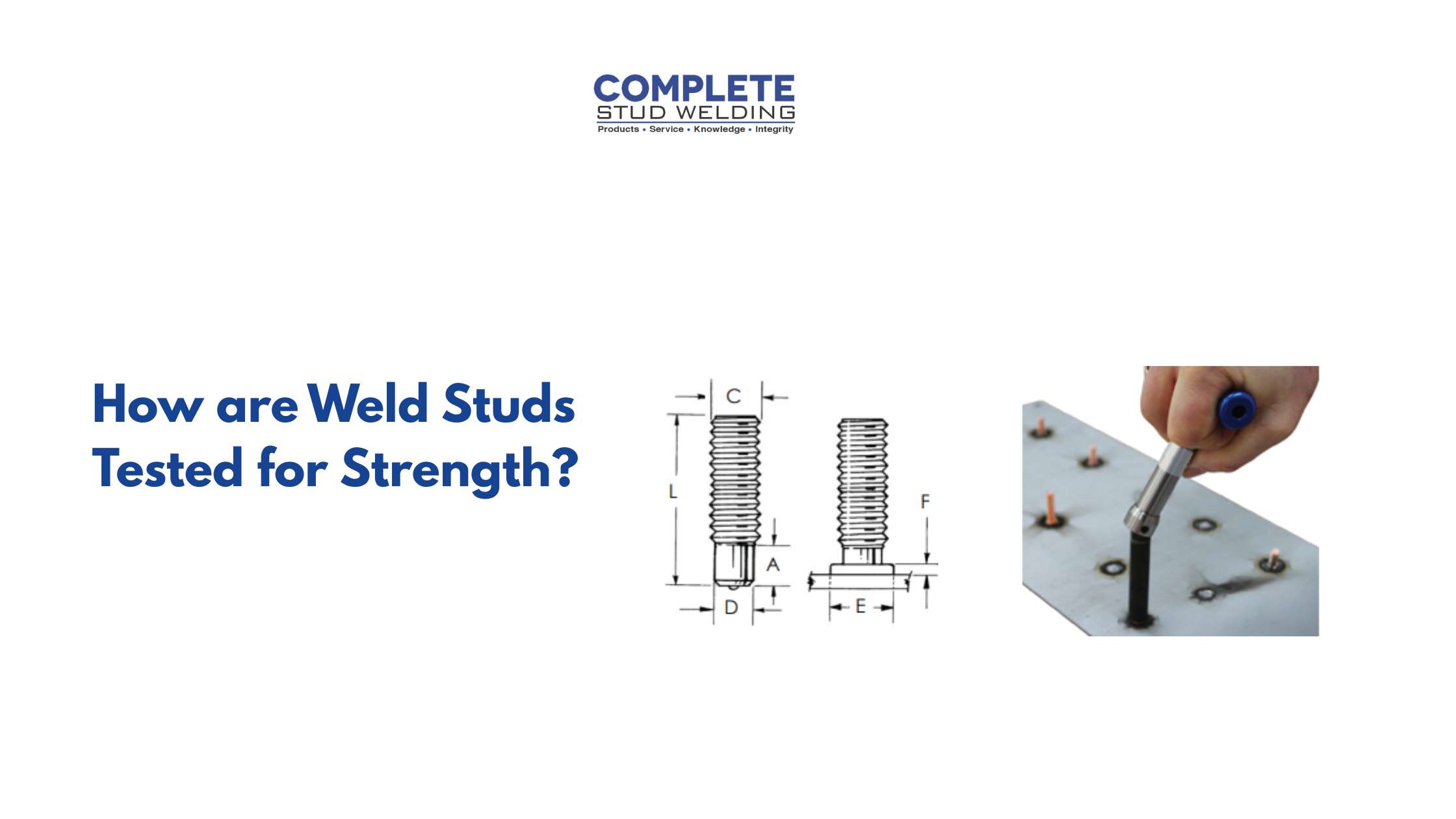
Reliable performance requires verification through testing and inspection procedures.
- Using a Weld Stud Test Tool
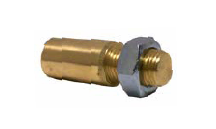
A weld stud test tool allows operators and inspectors to evaluate connection integrity after installation. Testing helps confirm that welds meet project specifications and quality standards. Regular use of a weld stud test tool can identify issues before they affect production or structural performance.
- Quality Assurance Procedures
Manufacturers often perform:
- Visual inspections
- Bend testing
- Tensile testing
- Load testing
- Process verification
These procedures help verify stud welding strength while maintaining consistent production quality. A properly maintained stud welding system also contributes to reliable testing results and repeatable weld quality.
Applications Where Stud Welding Strength Matters Most
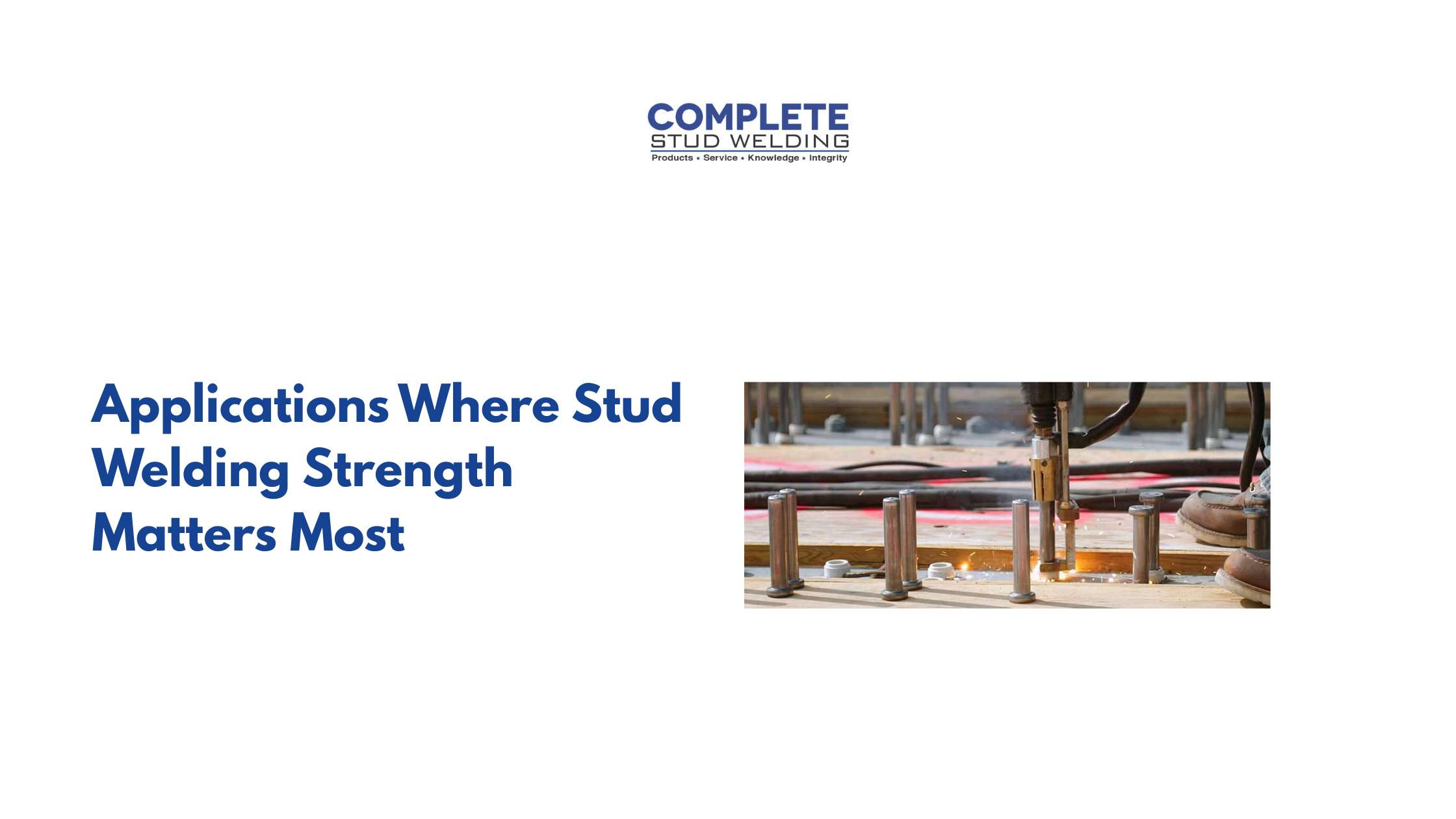
The importance of stud welding strength varies depending on the operating environment and load requirements.
- Structural Construction
Structural steel projects rely heavily on arc weld studs and shear connectors to transfer loads between components. In these applications, connection performance is critical to overall structural integrity.
- Manufacturing and Industrial Equipment
Many industrial manufacturers use weld stud fasteners to secure components, panels, enclosures, and assemblies. Consistent weld quality ensures durability under repeated use.
- Specialized Weld Stud Applications
Various weld stud applications require different performance characteristics. Industries such as transportation, energy, heavy equipment manufacturing, and metal fabrication all depend on reliable welded connections. Because every application has unique requirements, evaluating welded stud capacity helps determine the most appropriate fastening solution.
Choosing the Right Stud Welding System
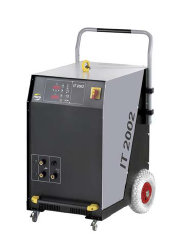
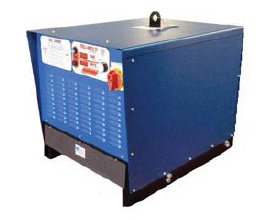
Equipment quality plays a major role in achieving dependable results. A properly configured stud welding system helps maintain consistent parameters, improve productivity, and support long-term weld performance. When combined with proper operator training and process controls, a quality stud welding process delivers reliable strength and repeatable results across a variety of weld stud applications.
Final Statement
Understanding stud welding strength is essential for selecting the right fastening solution and ensuring long-term performance. Various elements, ranging from material selection and installation precision to thorough testing procedures and load specifications, contribute to the reliability of these essential connections. By carefully evaluating the capacities of arc stud welding and welded studs alongside the overall system performance, manufacturers and contractors can forge connections that are not only stronger and safer but also more dependable.
At Complete Stud Welding, we are committed to transforming your fastening challenges into reliable solutions. Join us in building a future of innovation and strength. Contact us today at 216-904-4008, and let’s create connections that endure.
Comments are closed.