

Flanged Weld Studs play a critical role in structural and industrial projects where load distribution, vibration resistance, and installation speed are essential. By integrating a flange directly into the stud design, these fasteners reduce stress concentration and eliminate the need for separate washers—making them especially valuable in high-volume and safety-critical applications.
This guide explains how flanged weld studs work, where they are used, how they comply with stud welding standards, and how CD stud welding enables efficient, low-distortion installation across modern industrial environments.
What Are Flanged Weld Studs?

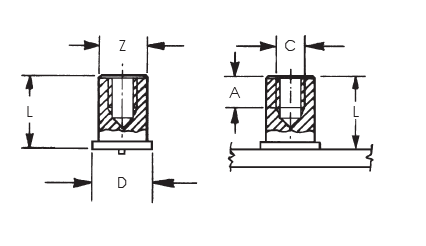
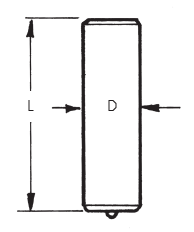
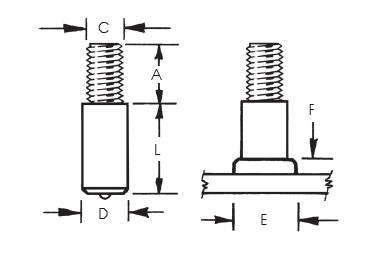
A Flanged Weld Stud is a weldable fastener with an integrated flange beneath the head. The flange increases the bearing surface, improving load distribution and resistance to loosening under vibration. Flanged weld studs are commonly installed using:
- Capacitor Discharge (CD) stud welding
- Low-heat welding processes for thin base materials
These studs are widely used in structural steel, industrial equipment, transportation systems, and electrical enclosures.
According to the American Welding Society (AWS), properly welded studs can achieve base-metal strength when correct procedures and parameters are followed.
Importance of Flanged Weld Studs in Structural and Industrial Applications

Structural and industrial projects demand fasteners that can handle dynamic loads, thermal cycling, and long service life.
Key advantages of flanged weld studs:
- Built-in load distribution without washers
- Improved resistance to vibration and loosening
- Faster installation in production environments
- Reduced part count and assembly steps
- Consistent torque performance
Studies referenced by AWS indicate that eliminating secondary components (like washers) reduces assembly variability and long-term maintenance issues.
How Flanged Weld Studs Work with CD Stud Welding
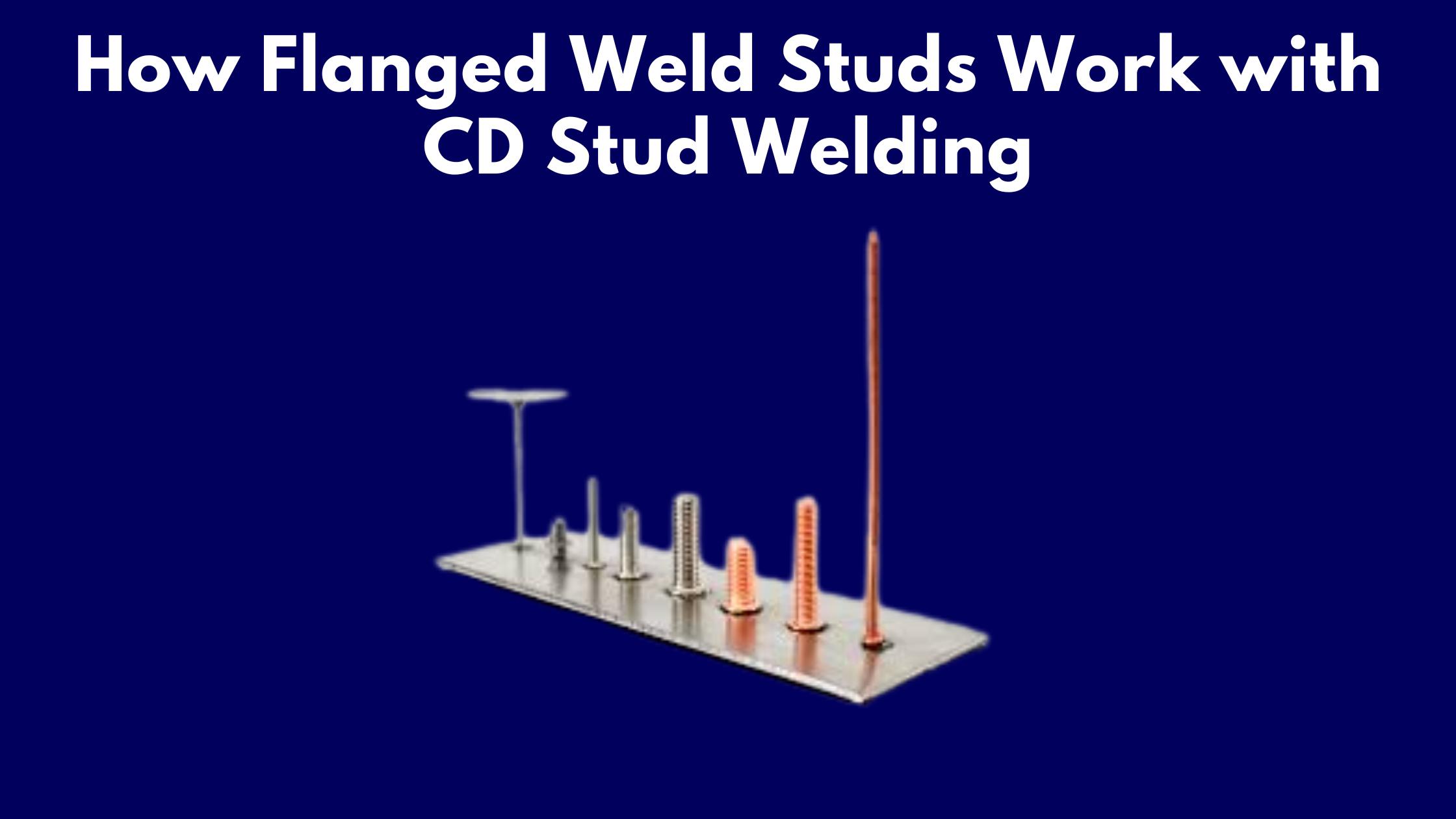
Step 1: Surface Preparation
The base material must be clean and free from contaminants such as oil, paint, coatings, rust, or oxidation. Proper surface preparation is critical because CD stud welding relies on efficient electrical transfer. Any contamination can interfere with current flow, resulting in weak or inconsistent welds.
Step 2: Stud Loading and Positioning
The flanged weld stud is inserted into the stud welding chuck of the CD stud welder. The chuck securely grips the stud, keeping it properly aligned and perpendicular to the base material. Accurate positioning ensures uniform flange contact and even load distribution after welding.
Step 3: Energy Storage and Capacitor Discharge
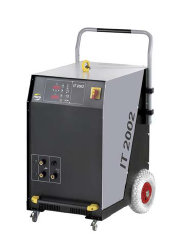
The CD stud welding machine stores electrical energy in internal capacitors. When the trigger is activated, this stored energy is released in a rapid, controlled electrical discharge. The discharge creates a brief arc that melts the stud tip and a small area of the base material.
Step 4: Stud Fusion and Weld Formation
As the arc melts the mating surfaces, the stud is immediately pressed into the molten weld pool. The flange seats firmly against the base metal while the molten material solidifies. This creates a strong metallurgical bond with minimal heat input and virtually no distortion.
Step 5: Cooling and Inspection
The weld solidifies within milliseconds, allowing for immediate handling. Once cooled, the weld is visually inspected for proper flange seating, uniform fusion, and surface consistency. Depending on application requirements, torque or bend testing may be performed to verify weld integrity.
Flanged Weld Studs Applications in Structural Projects
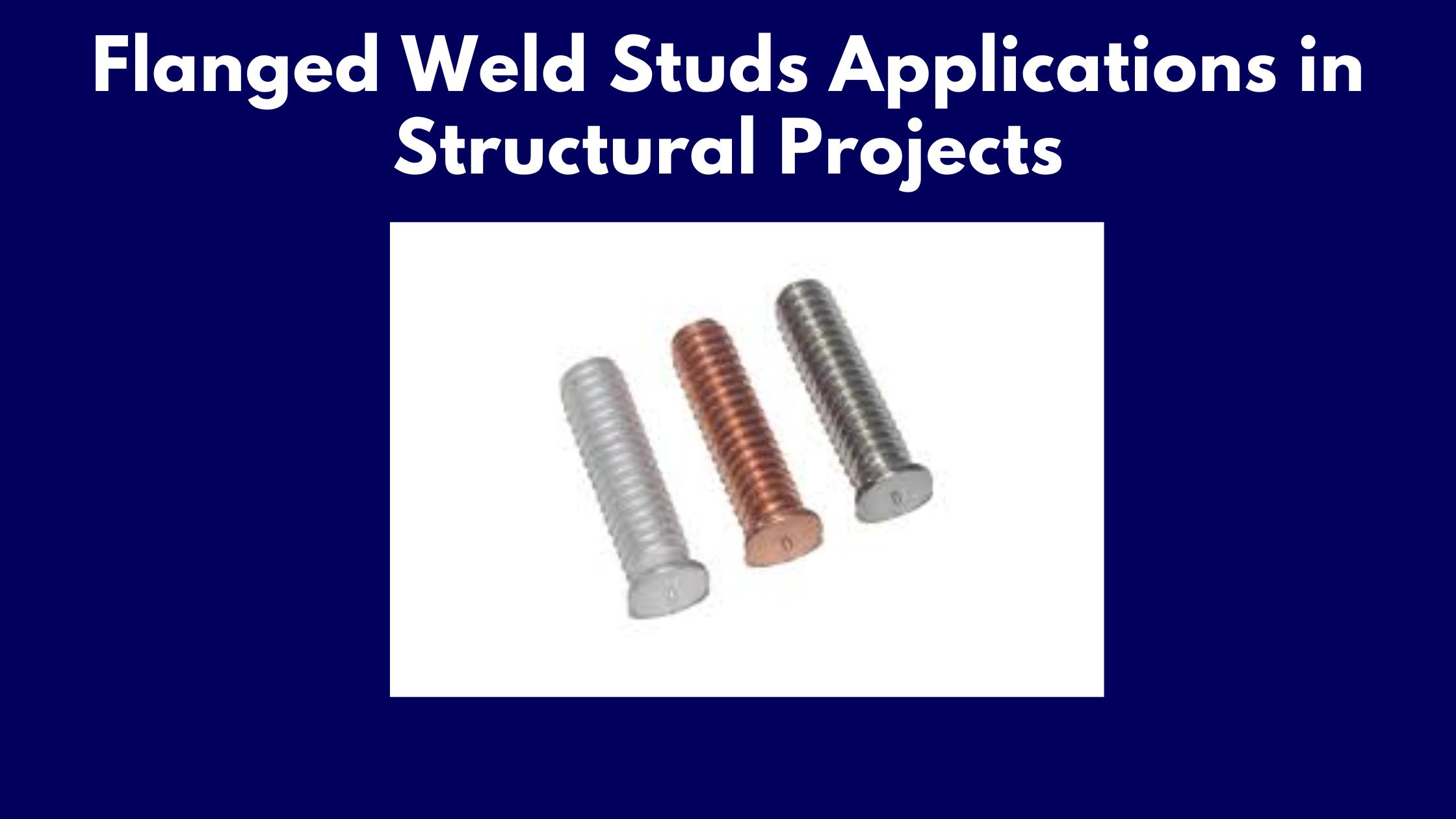
Structural Steel and Building Systems
Flanged weld studs are used to attach HVAC supports, cable trays, and secondary structural components without drilling through steel members.
Infrastructure and Public Works
They are commonly used for grounding points, signage mounts, and non-load-bearing attachments on bridges and steel frameworks.
Pre-Engineered Buildings
Flanged weld studs support insulation systems and panel attachments, providing secure fastening on thin steel sections.
The flange helps distribute loads evenly, reducing localized stress on the base material.
Flanged Weld Studs in Industrial Manufacturing
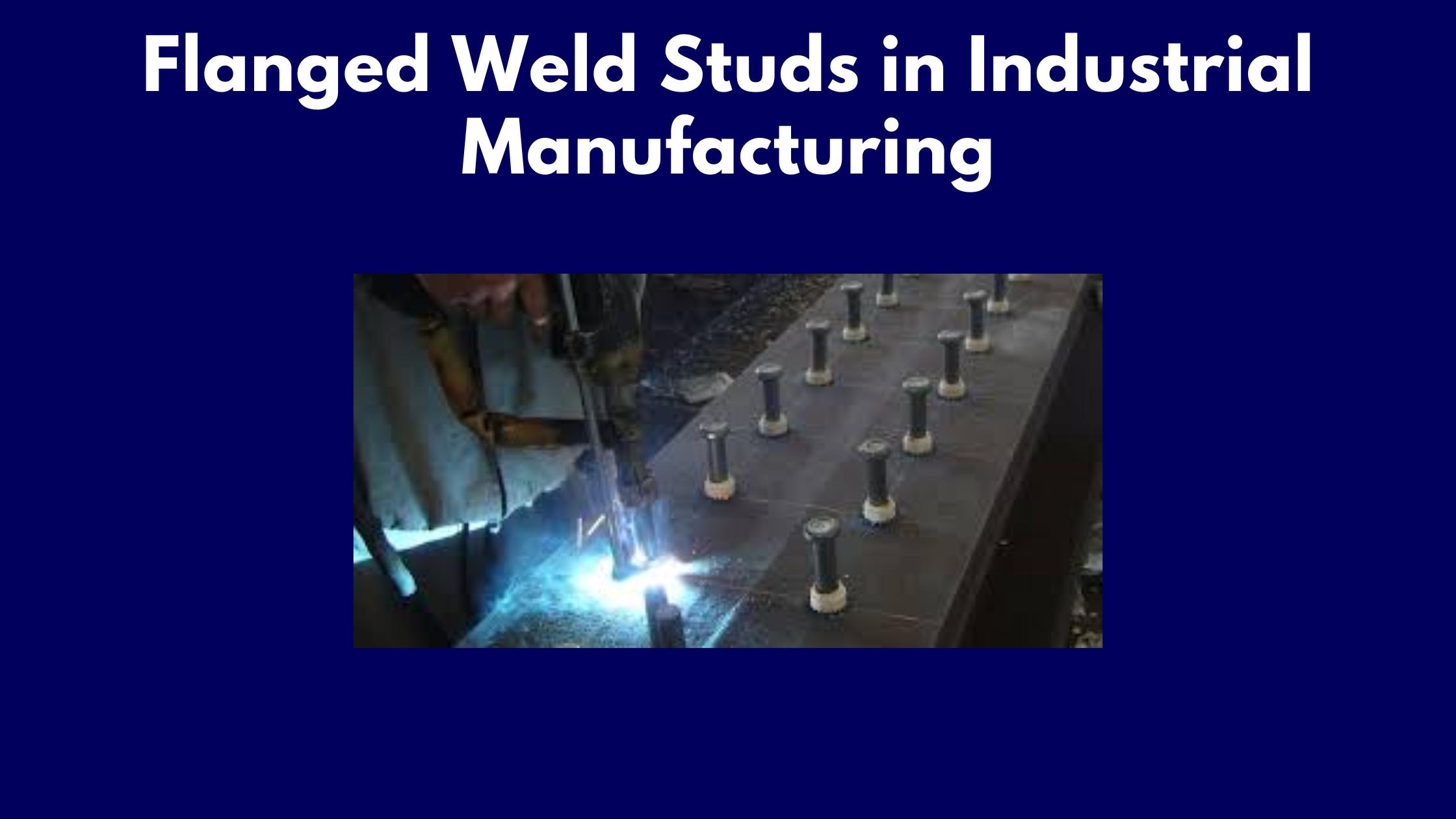
Industrial Equipment and Machinery
Applications include mounting brackets, equipment housings, and safety guards where vibration resistance is important.
Electrical and Control Panels
Flanged weld studs are used for grounding connections, component mounting, and organized cable management.
Transportation and Rail Systems
They provide secure fastening for interior panels and components exposed to repeated vibration and movement.
In lightweight assemblies, CD weld studs aluminum are often selected for corrosion resistance and compatibility with aluminum substrates.
Flanged Weld Studs vs Standard Weld Studs
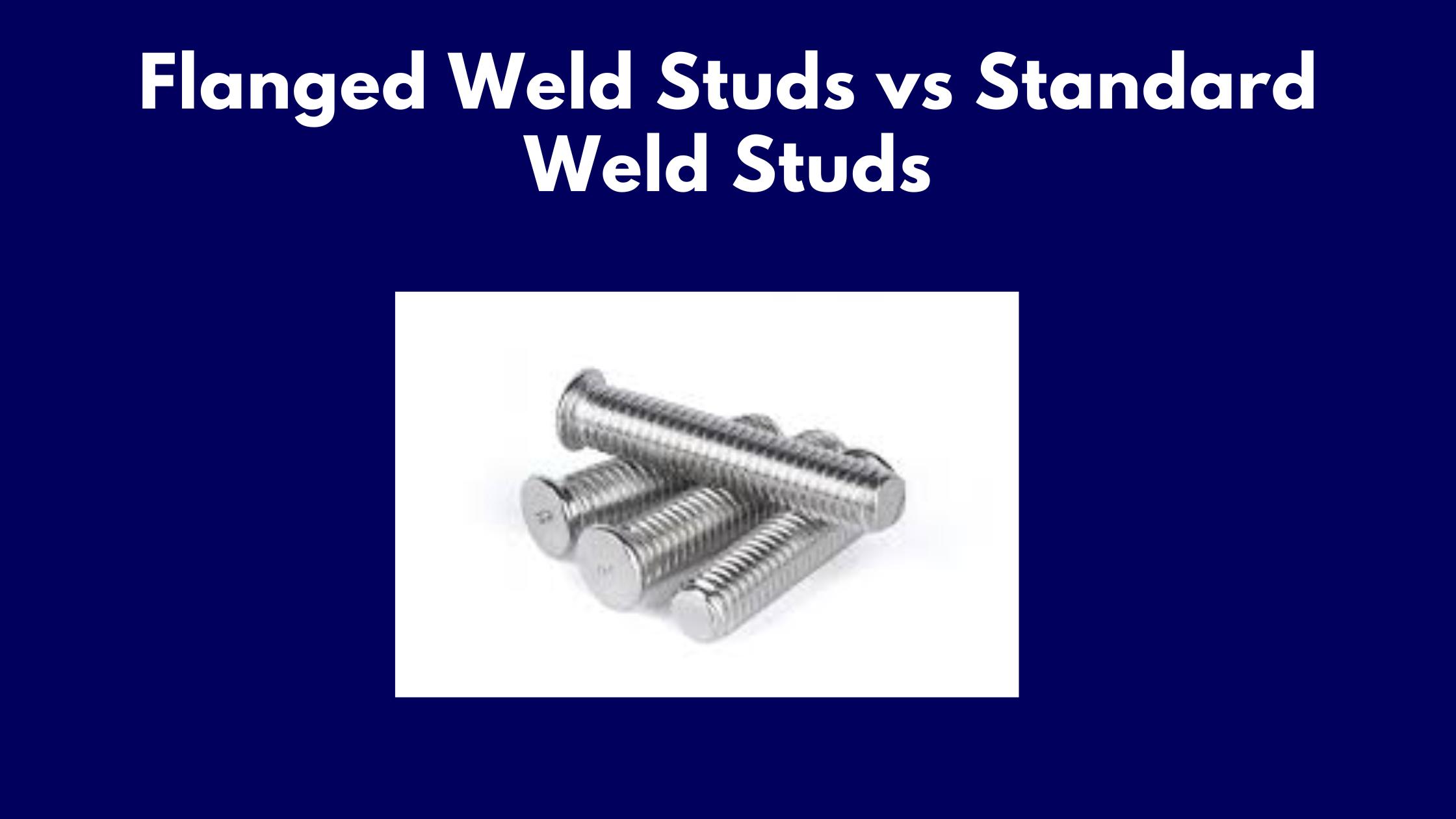
| Feature | Flanged Weld Studs | Standard Weld Studs |
| Load distribution | High | Moderate |
| Washer required | No | Often |
| Installation speed | Faster | Slower |
| Vibration resistance | Higher | Lower |
Conclusion
Flanged Weld Studs provide a reliable, standards-compliant fastening solution for structural and industrial projects where load distribution, vibration resistance, and efficiency are essential. When installed using proper CD stud welding techniques and compliant equipment, they deliver consistent, long-term performance with minimal surface impact.
To explore specifications or learn more about flanged weld stud options, visit Complete Stud Welding or get expert guidance by dialing 216-904-4008.

Comments are closed.